Posted on — Leave a comment

Herb of the month – Oregano

January is a good time for sowing oregano seeds under cover or indoors. Perennial, frost hardy plants, they like full sun and well-drained, nutrient rich soil (though I find they grow well in any soil).   Easy to grow and maintain they make a lovely, fragrant addition to any garden.

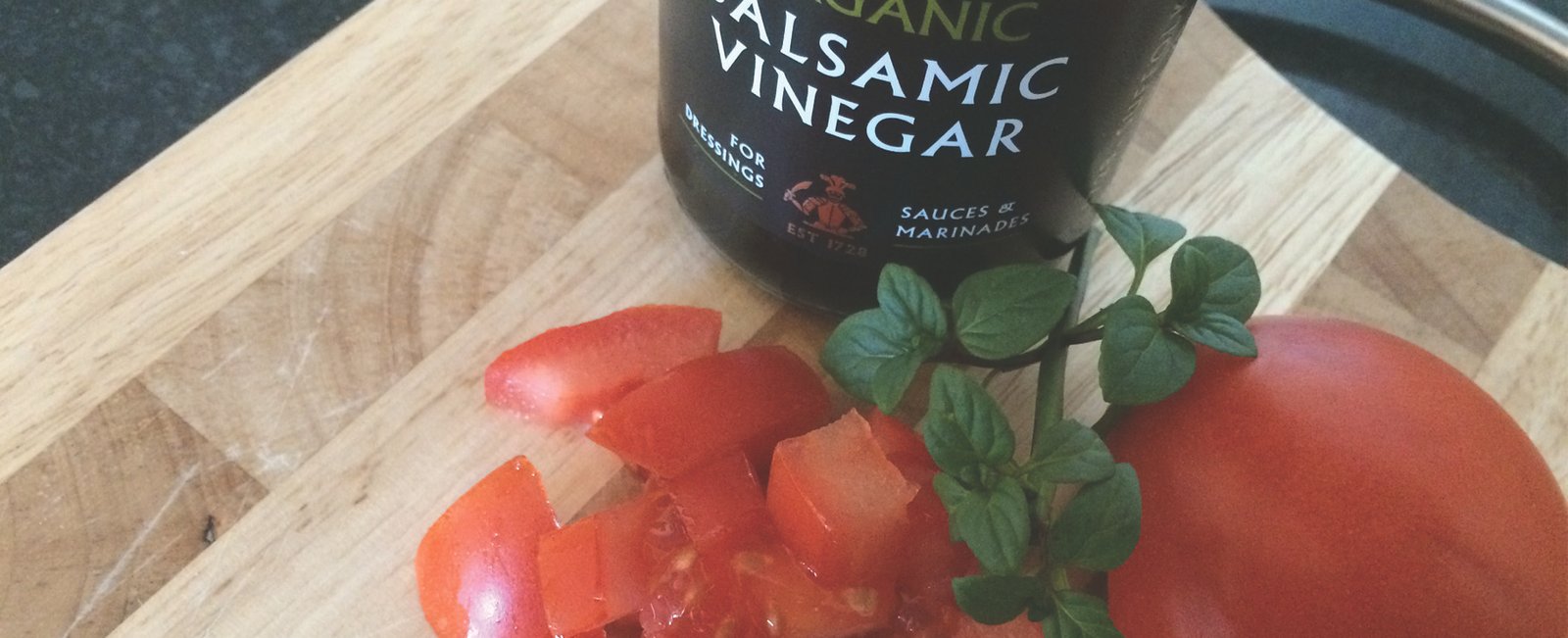
This fabulously under rated herb is great with tomatoes and is of course used to season pizza topping.   A brilliant culinary herb, we use it to season our tomato relish, but it is also found in many Mexican dishes and gives a distinctive flavour to enchiladas. In fact it is a very versatile culinary herb.  High in Omega 3 and anti-oxidants, oregano is antibacterial, anti parasitic, antiseptic and antiviral, as well as being insect repellent.

Medicinally the plant and essential oil have been used for a wide range of problems from dandruff and skin conditions to bronchitis and croup, it has even been used to treat warts.

Infuse for a relaxing bath or as hair conditioner, use in pot pourri and herbal pillows. Add essential oil to baths, ointments or compresses to relive pain and tension. Place few drops near pillow to promote sleep.

Said to have been created by the Greek goddess Venus it is a symbol of happiness. It is recorded as having been used to make crowns for healing and as being used as an oil massaged into the forehead and hair. In the language of flowers oregano is the herb of love and protection.
Posted on — Leave a comment

Herbs for Health Eucalyptus


HERBS FOR HEALTH – EUCALYPTUS     

eucalyptus-bottle

 We all know herbs can smell and look beautiful in your garden and be great for cooking, but what about herbs for health?*  Every month we’re going to be introducing you to a new herb and its traditional medicinal uses – starting with seasonally appropriate Eucalyptus.

This is a fast growing tree with beautiful bluey green leaves., it grows well in most soils and will reach a height of up to 30m. If you want to grow your own here is some good advice.

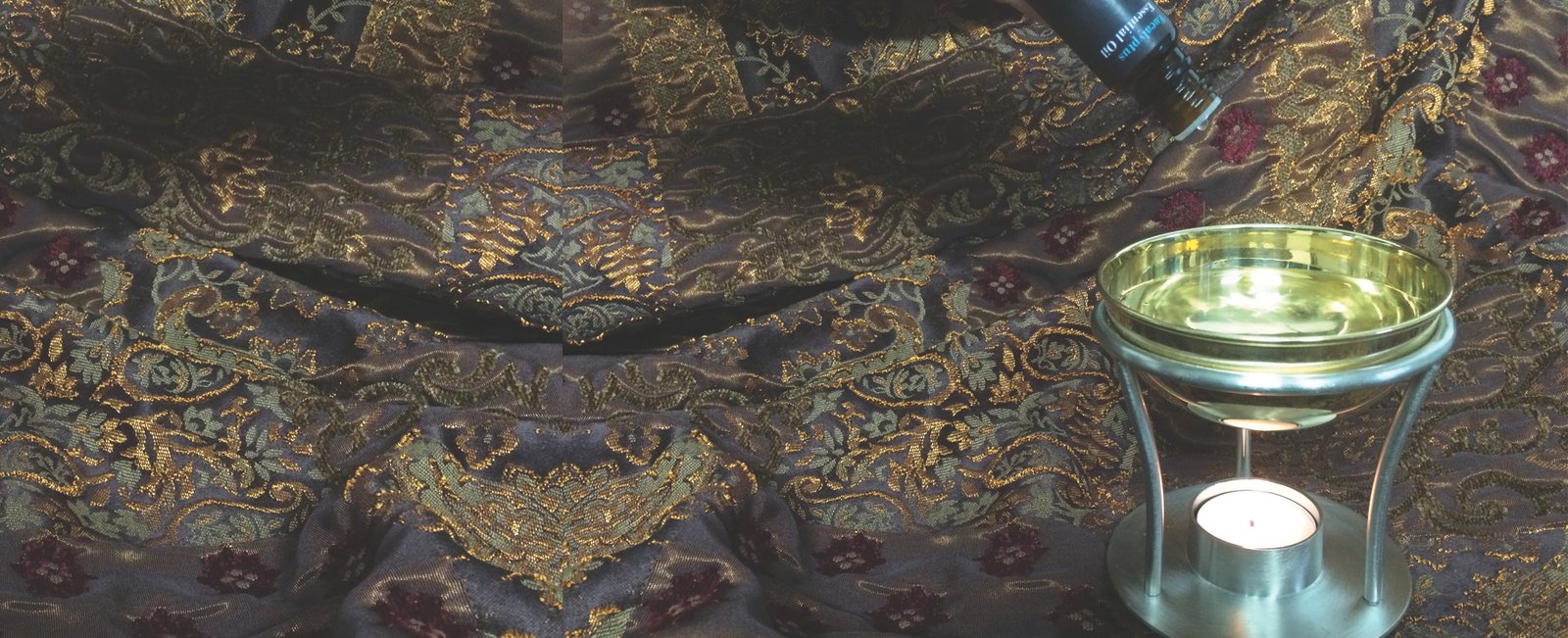
Eucalyptus essential oil is obtained from the globulus variety and is a common ingredient in medicinal inhalation preparations. Although taken in large doses the plant is toxic (it should not be taken orally, or put on the skin undiluted), its medicinal benefits are well documented, where it’s decongestant properties make it useful for cough, cold and chest preparations.. It is also widely used in dental preparations such as mouthwash and toothpaste, as it has a unique, fresh aroma. This aroma also has uses in the perfume industry. Eucalyptus can be used in oil burners to freshen the air with its lovely fresh fragrance

The leaves can be used to repel fleas and for pot pourri.

Cosmetically the plant can be used to make deodorant and is antiseptic.

*This article is intended for interest only – use of herbs given are traditional and do not reflect the herbs efficacy. It is not intended, nor should be taken as medical advice. If you have a medical condition please consult a qualified health professional prior to using any herbal preparation. Although the facts have been checked carefully, we cannot guarantee the reliability of information provided. Essential oils should not be used on children or vulnerable adults (elderly, breast feeding or ill) or during pregnancy. Some essential oils and herbs can be toxic, whether taken internally or used on the skin – your health care professional will advise.

Posted on — Leave a comment

Recipe – Gremolata

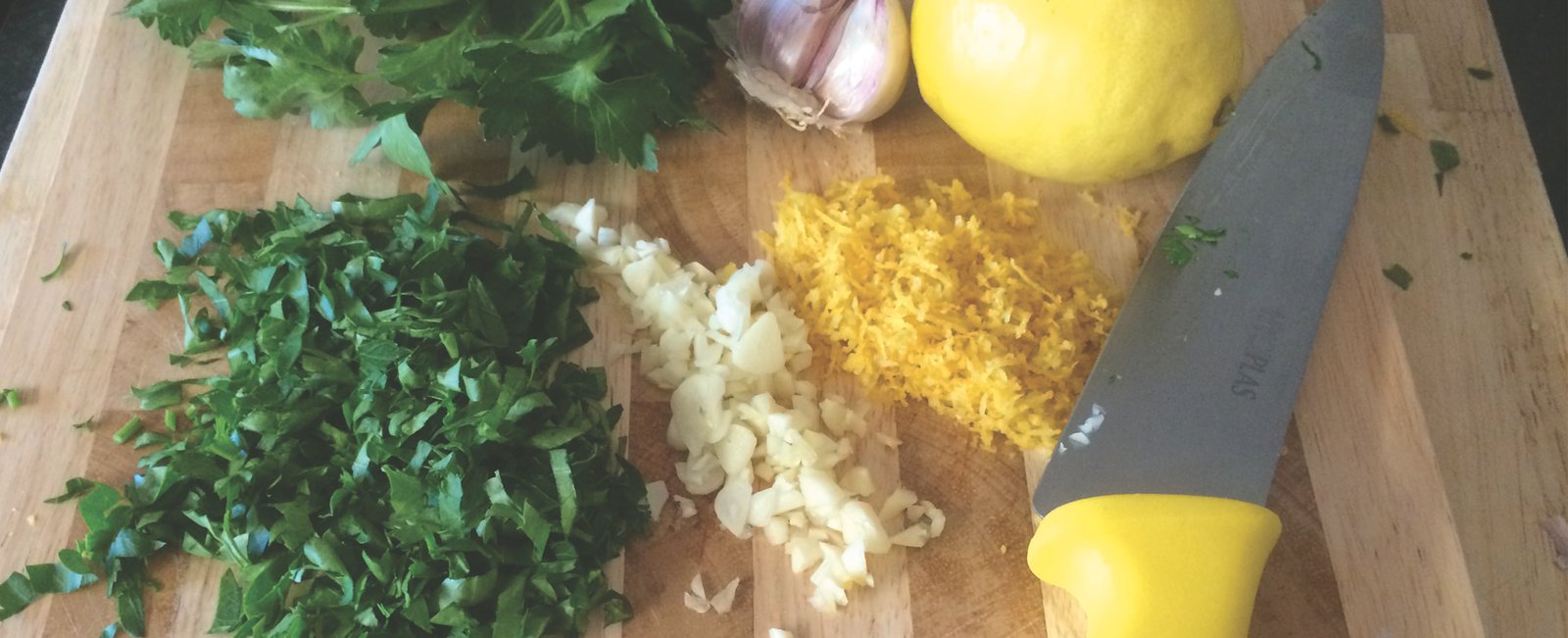
Herbs can be in short supply in the garden at this time of year: although there still seems to be plenty of parsley around. Gremolata is a great way to make use of this herb. This super easy, extremely versatile recipe will use up all that parsley hanging around, plus give you a garlic-y hit – always necessary over winter.

finish-gremolata

Gremolata

Ingredients:

2 cups (500mls) parsley

4 tbsp (60mls) finely grated lemon rind

2 tbsp (30mls) garlic

Chop the parsley and garlic until very fine, if you have a Vitamix this will do the job for you, then mix together with the finely grated lemon rind. This spread can be used in all sorts of ways too; freeze in an ice cube tray and then use to season stews and soups, mix with cream cheese for a delicious cracker spread, use as a garnish or mix with breadcrumbs for stuffing or coating. My personal favourite is mashing with butter, smearing on bread and then toasting in the oven for quick and delicious garlic bread. In a sealed container, kept in the fridge, this spread should last a while so you can have the chance to try it all sorts of ways!  In fact here is a great variation using walnuts.

Posted on — Leave a comment

Make Your Own Body Powder

So Christmas is over and we’ve said our ‘happy new year’s – but if your family is anything like mine, it’s already time to start thinking about birthdays. Gift giving is never harder than for January birthdays – after all, you’ve already used up all your ideas (and money) on Christmas! Not to worry, we’ve come up with some ideas so you don’t have to – and best of all, they won’t break the bank! This week’s favourite is this cheap and easy recipe for a luxurious scented powder.

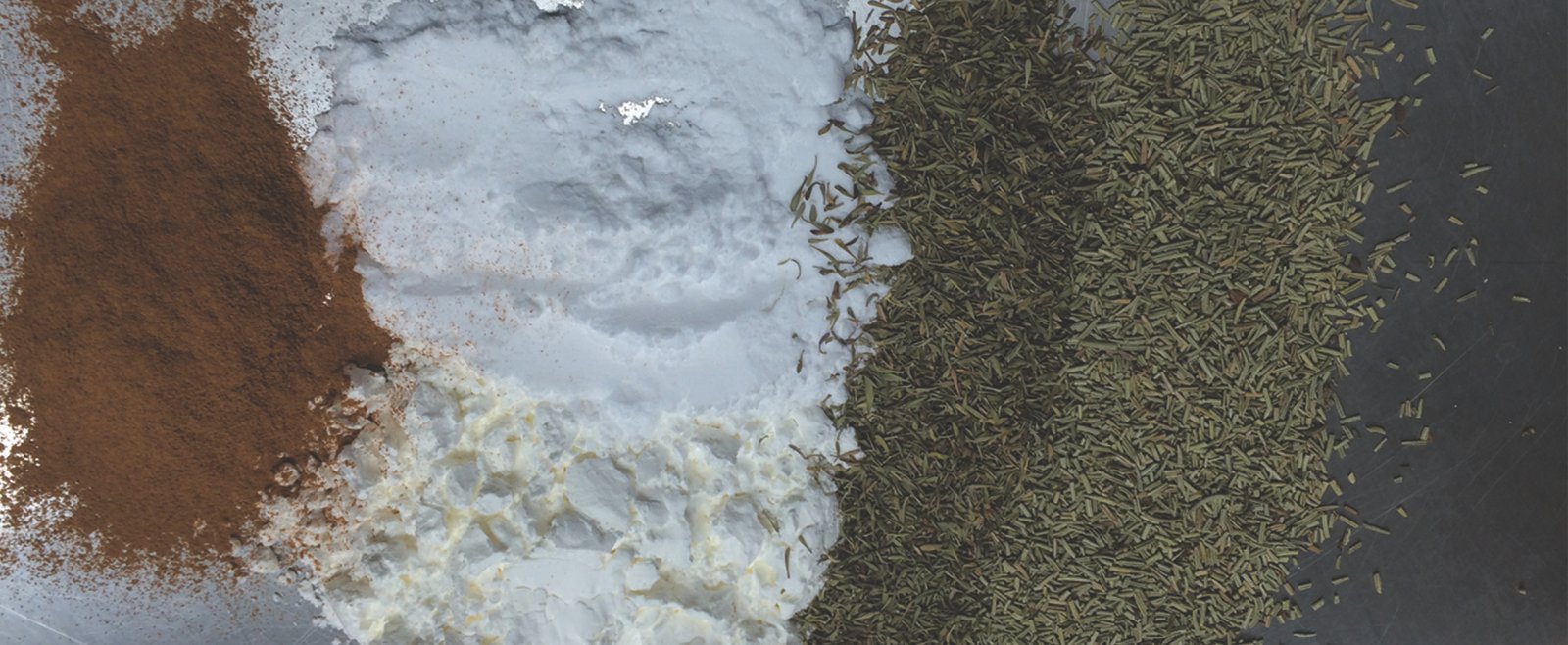
powder in progress

Ingredients:

1 measure dried thyme

1 measure dried rosemary

1 measure ground cinnamon

1 measure orange peel

1 measure orris root powder or cornflour

half measure arrowroot powder

This recipe really works best if you’ve got a grinder – just stick it all in and whizz it ‘til it’s smooth! You can even make your own dried orange peel by putting your fresh peel in a hot oven until it’s dry and crinkly.

If you don’t have a grinder then not to worry, just use ground cinnamon, orris root powder and arrowroot powder for a simpler but no less delicious version.


This is a fantastic product to use in place of talcum powder, or just to add a lovely scent to your skin. Let out your creative side when it comes to the packaging – it will look gorgeous in a recycled kilner jar, or even just bundled in some muslin with a pretty ribbon.

finished powder