Posted on — Leave a comment

Herb of the Month – Horseradish

So it’s been a while since we’ve written a blog (we’re slacking, I know!) and in the meantime winter has crept in properly. In our house that means stews, pies and roasts – as often as possible! There is a certain someone in our household, who shall remain unnamed (Paul), who can’t seem to eat any of these things without an appropriately large selection of condiments. Our herb of the month has been chosen in his honour – horseradish.

The best known, and possibly most delicious, use for horseradish is of course in condiment form as horseradish sauce (we personally like horseradish mustard). It’s a really simple sauce, made from grated horseradish root and vinegar – and it’s really easy to make at home. Not many people make it themselves though; in fact sales of horseradish in a bottle began in 1860 – making it one of the first convenience foods available. It remains popular throughout the world, with several varieties available, including with beetroot – yum…

Horseradish has other uses though, including medicinally. It can be used to treat urinary tract infections, kidney stones, bronchitis, rheumatism, sciatic nerve pain, gout and even colic. Though as always, consult your doctor before use!

Even better, horseradish is amazingly easy to grow at home. It will do best in a nice sunny spot, but this is the UK so it can also make do with some shade! It’s a perennial and best grown from a cutting. They can pretty much be planted and left alone, with possibly a little water if we (miraculously) have a dry spell, to be harvested the next year. When harvesting, you’ll want to make sure you remove the entire root and then replant only what you want – it can easily take over your garden if left to its own devices. It has to be said though, once you’ve got access to the fresh stuff, you won’t want it from a jar again!
Posted on — Leave a comment

Herb of the Month – Vipers Bugloss

This time of year is all about those blooming flowers, when all your gardening seems to pay off. One of the most satisfyingly beautiful plants you can grow, our herb of the month is Vipers Bugloss.

 Echium vulgare, also known as Vipers Bugloss, Adderwort, or Blue Devil, is characterised by its cylindrical spikes of gorgeous bell shaped flowers. From the Boraginaceae family, Vipers Bugloss will take 1-2 years to reach its maximum height, up to 75cm tall – all of which will be covered in flowers when it blooms in early summer. Each flower on the column will itself be 1 to 2cm in length. It originates in Europe and grows best in dry grassland or dunes, preferring sand or chalk soils. Whilst it is slightly fussy about soil, Vipers Bugloss will grow in either exposed or sheltered areas and in varying amounts of sunlight.

This is a fantastic plant to have in your garden if you want to attract bees or butterflies – both of which love the colourful flowers come summer. In the language of flowers, Vipers Bugloss represents falsehood or untruthfulness, most likely due to its snakelike appearance (as described in its alternative name, Snake Flower). The name ‘Bugloss’ is also derived from the appearance of the plant – this time its leaves. The term comes from the Greek word bou, meaning cow or ox, and the Latin glosso, meaning tongue. The leaves of the Vipers Bugloss could be said to resemble an ox-tongue in shape. Though it was once used as an anti-venom for snake bites, it is best to avoid touching it as it can cause irritation to the skin and will cause stomach upset if ingested.

Whilst it’s not always possible to grow in your garden (if you don’t have chalky soil or have kids who might take a bite!), it’s always worth keeping an eye out when you walk along the dunes, as this really is a stunning plant.

Posted on — Leave a comment

Herb of the Month – Honesty

With such beautiful weather recently, our plants have been flourishing. This month’s stand out has got to be Honesty. Known best for its seed pods, rather than its flowers; Honesty can be a beautiful addition to your garden without being too ostentatious!

From the genus Lunaria, honesty is also sometimes called a ‘silver dollar plant’. There are several variations of Lunaria, including ‘Lunaria annua’, which has a pure white flower and is biennial (meaning a plant grown from seed will take two years to come to fruition and then die). If you’re looking for an Honesy plant that doesn’t take quite so long to flower, there is also the perennial ‘Lunaria rediviva’, This has cross shaped flowers in a pale lavender colour, with heart shaped green leaves. Both these variations have distinctive seed heads, flat and almost papery; the annua Honesty has round, silver dollar shaped seed heads (from which they get their nickname!), whilst the rediviva seed heads are more elliptical.

The seedpods that are so distinctive in Honesty plants are also what make them so easy to plant – and even easier for them to overtake your garden! Carried on the wind, the papery pods will dry out and release the seeds to germinate where they fall. If you want to grow Honesty from seed, all you have to do is collect these pods, let them dry out and collect the seeds. They will flourish planted straight into the garden, though if you’d like to grow them in planters or seed trays you should add a little old compost first. Honesty will develop thick roots, almost like tubers. This is common amongst the brassica family to which Honesty belongs, along with mustard. Due to this, they should not be kept in pots for an extended amount of time, as the roots will not have room to develop properly. They will flourish in almost any garden, though it will do better in less acidic conditions. The perennial rediviva prefers to be kept slightly damp and all variations of Honesty prefer not to be overfed (so stay away from the manure!). Try not to plant in the shade, though semi-shade should be fine.

These are a great plant for us gardeners who don’t want to expend too much effort! They’ll grow fantastically if pretty much left alone. This also makes them great for kids learning to garden – they can watch the whole process from seed to flower and there’s not a lot that can go wrong!


Posted on — Leave a comment

Herb of the Month – Pineapple Sage

The weather’s been a bit up and down recently, sunny one minute and raining the next – as they say in Cornwall, ‘don’t like the weather? Just wait five minutes’! We’ve still got some thriving plants though, including our herb of the month, Pineapple Sage.

Salvia elegans, commonly called Pineapple Sage, is a perennial shrub with tubular red flowers and a pineapple scent to its leaves (hence the name!). Native to Mexico and Guatemala, its flowers are attractive to hummingbirds and butterflies, in some areas was found to be in the top three plants visited by hummingbirds. It grows up to 1.5m tall and usually flowers between August and late autumn, though some varieties bloom much earlier in the summer. Pineapple sage is relatively easy to grow, liking rich and well-drained soil with lots of light and regular watering. It will flourish either in the ground or in a pot, just remember to leave it lots of space as its roots will grow into a large tangle.

When it comes to uses, pineapple sage shines as a culinary herb. Mixed with garlic and butter it can be a beautifully fruity rub for chicken or even an unusual way to make garlic bread. Its leaves are used in many pestos, with a slightly sweeter taste than common sage. They can also be tossed into fruit or vegetable salads, used as a garnish or to make hot or cold teas. Or try something more adventurous and make a pineapple sage syrup to use on pancakes, waffles, cakes or ice cream. Even the flowers are edible, making fantastic garnishes for desserts.

Pineapple sage is a member of the Salvia family, which takes its name from the Latin verb ‘salvare’, meaning ‘to save’ or ‘to heal’. It is not a surprise then that sage has many medicinal uses. It is traditionally used to lower blood pressure, ease anxiety, indigestion and heartburn. It is also used to ward off negativity, bad spirits, bad health and even bad luck. A home can be cleansed of all negative energy and influences by hanging garlands of sage around windows and doors, or ‘smudging’ (burning the herbs). Whether you use it for any of these things or not, it can’t be denied that pineapple sage is a beautiful addition to any garden.

Posted on — Leave a comment

Herb of the month – Iris germanica

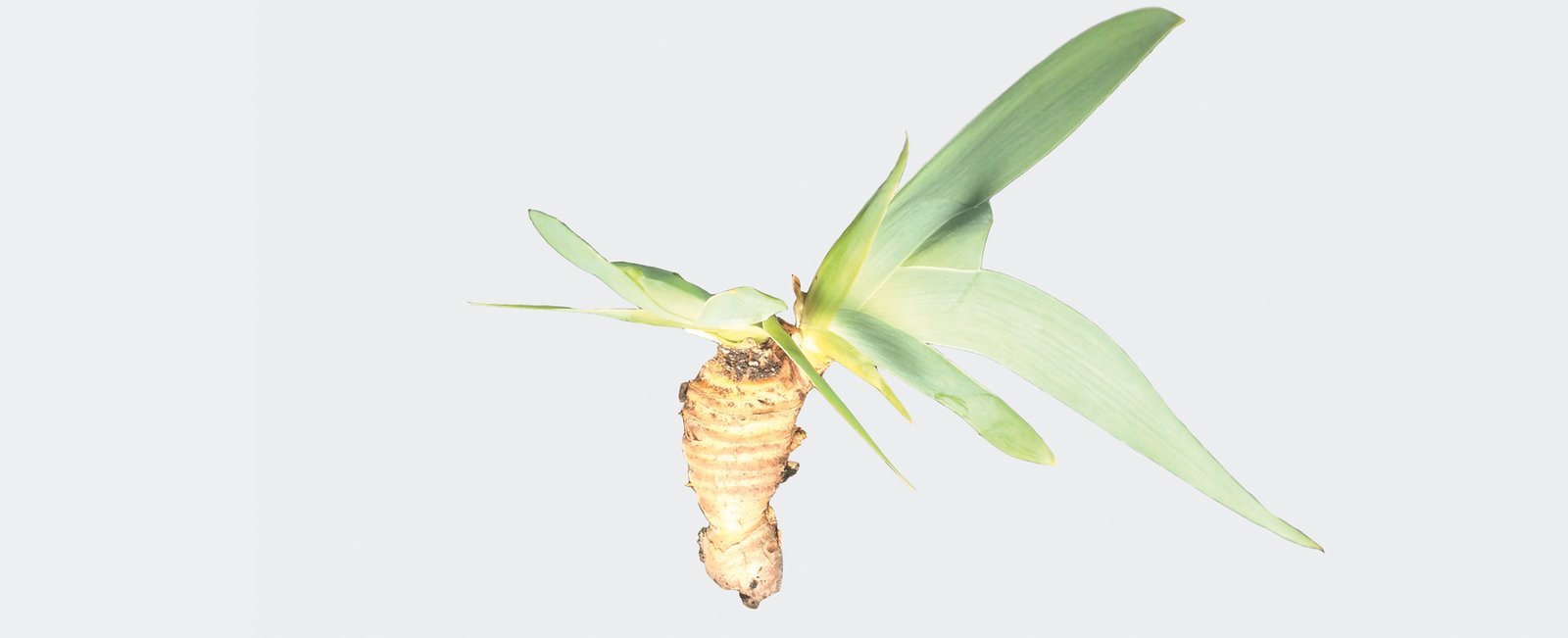
Iris germanica, better known as orris, is a species in the Iris genus. A perennial that blooms from April to June, orris can grow up to an impressive 1.2m high and 30 cm wide. It is an easy plant to grow from cuttings; the rhizome should be cut into sections, each with a growing bud, and planted in fertile, well-drained soil in full sun. The roots should be planted no less than 45cm apart to allow room for growing and should be well watered throughout the summer months. They will be ready to be divided every 4 to 5 years. It’s beautiful flowers come in a variety of colours, but it is best known for the uses of its rhizome.

Orris root was historically prized as a component of perfumes, though its beautiful violet scent does not appear until between 3 and 5 years of drying the root. Though it was at one point a staple in face powders and other cosmetics, it has been found to cause reactions in sensitive skin and is now more likely to be found in potpourri as a scent fixer. It is also makes a fantastic dry shampoo and when mixed with honey can be used as a moisturiser for dry skin.

Medicinally, orris root has been used to stimulate appetite, soothe headaches, toothache, muscle and joint pain, diabetes and some skin diseases. It can also be used to treat bronchitis and colds and to cause vomiting and empty the bowels (though I don’t know why you would want to do this!).

Culinary uses include as a tincture to flavour syrups and as one of the ingredients of Ras el hanout, a blend of spices associated with Moroccan cuisine. Most commonly, orris root is used as a tea preparation.

The Iris genus takes its name from the Greek goddess Iris, who was the personification of the rainbow. This is most likely due to the wide variety of beautiful colours to be found in the flowers of the Iris family of plants.


Posted on — Leave a comment

Herb of the month – Oregano

January is a good time for sowing oregano seeds under cover or indoors. Perennial, frost hardy plants, they like full sun and well-drained, nutrient rich soil (though I find they grow well in any soil).   Easy to grow and maintain they make a lovely, fragrant addition to any garden.

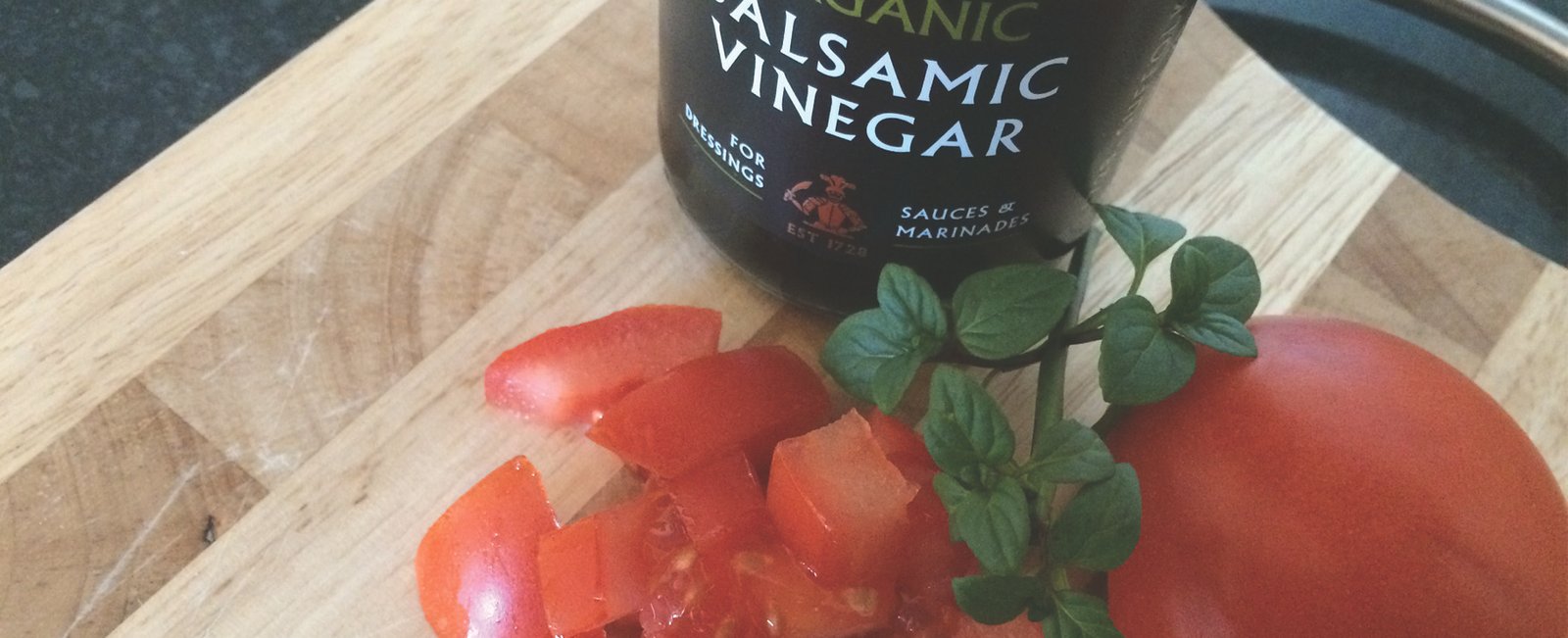
This fabulously under rated herb is great with tomatoes and is of course used to season pizza topping.   A brilliant culinary herb, we use it to season our tomato relish, but it is also found in many Mexican dishes and gives a distinctive flavour to enchiladas. In fact it is a very versatile culinary herb.  High in Omega 3 and anti-oxidants, oregano is antibacterial, anti parasitic, antiseptic and antiviral, as well as being insect repellent.

Medicinally the plant and essential oil have been used for a wide range of problems from dandruff and skin conditions to bronchitis and croup, it has even been used to treat warts.

Infuse for a relaxing bath or as hair conditioner, use in pot pourri and herbal pillows. Add essential oil to baths, ointments or compresses to relive pain and tension. Place few drops near pillow to promote sleep.

Said to have been created by the Greek goddess Venus it is a symbol of happiness. It is recorded as having been used to make crowns for healing and as being used as an oil massaged into the forehead and hair. In the language of flowers oregano is the herb of love and protection.

Posted on — Leave a comment

Handy Kitchen Herbs

We made some fab hanging baskets recently, stuffed full of beautiful, useful herbs – and it got us thinking! Why not grow your favourite culinary herbs in planters right outside your kitchen door? We know that sometimes everyone needs a reminder of how easy it is to add a twist to otherwise standard foods, so although we’re probably preaching to the choir, here’s our handy list of kitchen herb combinations.


Blackcurrant and sage

This unlikely combination is guaranteed to please the taste buds. Just a tiny pinch of sage is all you’ll need to add an unusual flavour to this seasonal fruit. Check out this recipe for fantastic fruity tarts and experiment with the use of sage – you won’t regret it!


Strawberries and mint

While there are still plenty of strawberries around, why not have a go at adding a little finely chopped mint and sugar for an easy but exciting pudding. If you’re feeling really adventurous, try your hand at a mint jelly  and serve with crème fraiche.

Potatoes and rosemary

Sometimes the classics really are the best and it doesn’t get better than potatoes and rosemary! Whether it’s a pinch in your mash or a sprinkle on your roasties, it’s an easy trick that never fails to please. Rosemary’s great fresh or dried, so if you need to stock up have a look in our food hall.

Butter and fennel

We all know that everything tastes better with butter, but why not try something new with butter and fennel? Mash a sprinkle of fennel in with your butter for a super easy seasoning, great for roasting fish, slathering on bruchetta or use instead of garlic butter for a great garlic bread alternative!

Yoghurt and coriander

The summer months are a great time for casual eating, finger food and dips in the garden with a cocktail in hand! Spruce up your yoghurt with a handful of chopped coriander leaves – great just with breadsticks, cucumber and carrots or try it as an unusual salad dressing.

Posted on — Leave a comment

Herb of the Week – Aloe Vera

With the sun making a welcome appearance this week we are sure to see plenty of sun burned skin – so our herb of the week must be Aloe vera.  This important medicinal plant has so many uses – in beauty preparations and medicinally.  Sun burnt skin can be treated with cooling aloe vera gel.  We keep a plant in the kitchen and use the sap directly from the leaves for all types of minor burns – especially those little cooking accidents.


Aloe can help in the relief of symptoms of dermatitis or psoriasis as well as eczema and skin irritations.  It contains a mix of properties including anti-inflammatory and antimicrobial agents as well as minerals and vitamins, which aid penetration of the skin and tissues and encourage healing.


A perennial, tender succulent, this plant should be grown indoors on a sunny windowsill.  It needs a well drained gritty soil and little water, allow to dry out completely between waterings.  It can grow up to 3 feet tall with clusters of long, fleshy leaves and tubular yellow flowers.  Aloe vera is really easy to grow and is a great plant if, like me, you are a bit slack with watering your houseplants!


The sap is also preserved and dried or liquified for use commercially in a wide range of products including toiletries.


We use aloe in our skin care range and our aloe gel can be used as a shaving gel or even used as a base to create a fabulous face mask, try adding avocado and oats.

Posted on — Leave a comment

Herb of the week – Calendula

Calendula Officinalis - English Marigold.
Calendula Officinalis – English Marigold.

Calendula officinalis is an annual, reasonably frost hardy plant with medicinal and culinary uses.  It likes well drained soil in a sunny position but will tolerate partial shade.  Growing to a height of approximately 50cms it has vivid orange blooms throughout the growing season, cut these back as the petals die to encourage new growth.  The seedheads of this plant are fabulous, reminiscent of little sea creatures.

The flowers of Calendula are edible and make a pretty addition to salads, they can also add colour to rice dishes and be used as a garnish for fruit.    Or boil them to create a pale dye.

Petals can be added directly to baths, or used to make into simple balms.  The easiest way to use would be to make an infused oil – take a handful of petals and place in a clean sealable jar (such as a kilner jar).  Cover with a neutral smelling oil, sunflower or grapeseed are best, and leave in a warm place.  Change the petals after a week and leave again.  Do this two or three times until the oil has an orange tinge, then strain through muslin and pour into an airtight container.  Store in a cool dry place and use within 6 months.

Calendula is good for dry skin, we use it to make our Heel and Corn Oil, and it is great for gardeners hands.

Some say Calendula makes for the best love potions!

In the language of flowers Calendula is a symbol of devotion and is used by some cultures to decorate wedding feasts and outfits.  Dreams of this plant are said to signify happiness in love or marriage.  Indeed love potions have been made from its flowers and leaves!


St Kitts Herbery products with Calendula:


Calendula Cream 30g, 120g, 500g

Calendula Oil 100ml

Heel and Corn Oil 100ml

Spiced Lime Shaving Oil 50ml


Posted on — Leave a comment

Herb of the Week: Woad, Isatis tinctoria

This unassuming plant with pretty yellow flowers has a long and fasciating history!

A  member of the humble cabbage family (Brassicaceae), woad is celebrated for the blue dye extracted from its leaves. The earliest recorded example of woad dyed textiles dates to 2500BC, and woad has been traded, used in textiles and ceremonies ever since – one of the most well-known uses is that of a warpaint used by the ancient Britons.

Woad flowers

Trade in woad reached a peak in Britain in the middle ages – in the 15th century it was one of the most important imports into the country, which reflected the growth of the textile industry. Over the following centuries woad was rejected in favour of indigo, imported from India, which gave a much stronger blue colour.

Nowadays there’s renewed interest in this fascinting herb, due to its use as a biodegradeble ink and its possible cancer fighting properties.

All the plants featured in our ‘Herb of the Week’ series are available from St Kitts Herbery at the time of publishing. Please contact us to check availability at other times of the year.