Posted on — Leave a comment

Recipe – Easter Nests

It’s a time-honoured tradition (in our house anyway), Easter is all about the chocolatey nests. A great way to spend an afternoon with the kids – and you get tasty treats out of it too!

Ingredients:

400g milk chocolate

5 shredded wheat, crushed

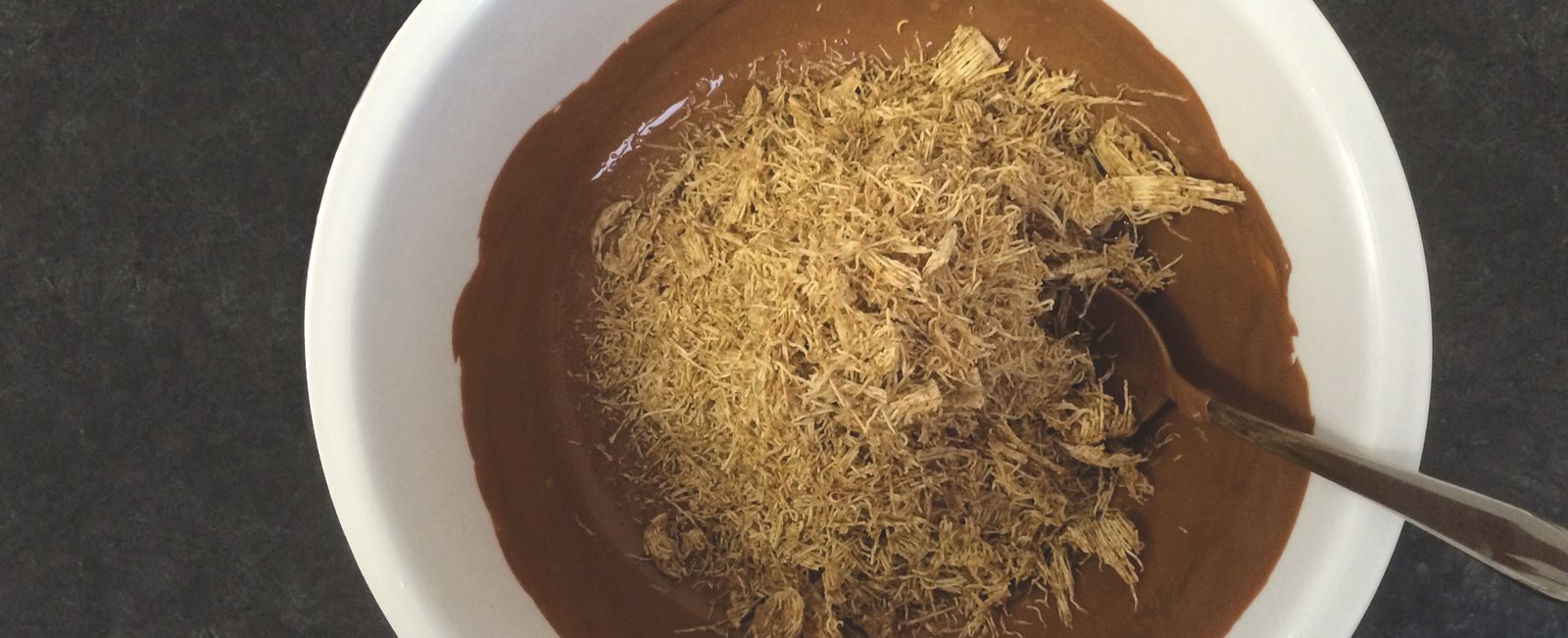
Roughly break up the chocolate and put it in a glass bowl. Place the bowl over a pan of boiling water and leave until all the chocolate is melted, stirring occasionally (this can be done in a microwave, just heat for 10 seconds at a time until the chocolate is melted). Stir in the crushed shredded wheat, making sure it’s all completely coated in the chocolate. On a lined baking sheet, arrange each large spoonful of the mixture into a nest shape and nestle a small chocolate egg, or a selection of mini eggs, into the ‘nest’. Then just leave them to set! If you can get a hold of them, arrange a little easter chick on the nest for decoration.

If you’re the adventurous kind, add some citrus peel to the mixture before shaping or stir in some tiny pieces of chopped marzipan for an extra burst of flavour. Or come up with your own variation – we’ve always wanted to try it with mini marshmallows…

This is a fun and achievable activity… here is a nest made by Poppy

made-by-poppy

Posted on — Leave a comment

Recipe – Sweet potato, sausage and sage frittata

The sun is finally starting to come out (briefly but it’s something!) and that means it’s time to leave the stews and soups behind and bring out the summer meals. You don’t want to spend too much time cooking though, when you could be enjoying the sunshine, so this quick, simple Frittata recipe is the perfect meal choice. The sweet potato is a novel twist on a spring classic.

Ingredients

1 large sweet potato, diced

6 sausages (spicy sausages work particularly well), sliced

1 onion, diced

1 sweet pepper, sliced

6 eggs, beaten

1 tsp sage, chopped

handful of baby spinach leaves

salt and pepper to taste

Method

– Boil a pan of water and add the sweet potato. Keep on the boil for roughly 8 minutes, until the sweet potato starts to feel tender. Then drain and keep to one side.

– In a heavy based frying pan, shallow fry the sliced sausage until cooked through, then remove onto a kitchen towel lined plate and keep to one side.

– Fry the onion and pepper in the left over oil from the sausage, until the onion is translucent.

– Add the sausage back to the frying pan, along with the sage, and fry until the peppers are soft. Then add the sweet potato and spinach, stir until thoroughly mixed.

– In a separate bowl, beat the eggs well and season with the salt and pepper.

– Turn the hob down to simmering temperature and pour the egg over the sausage and vegetable mix in the pan. Be sure that the egg is evenly spread throughout the pan.

– Leave to simmer for roughly 6 minutes, until the egg has cooked around the sides of the pan and begun to firm across the top.

– Take the frittata off the hob and grill until the egg is completely firm all the way through and the top is golden brown.

– Serve with salad or green beans and eat out in the sunshine!

Posted on — Leave a comment

Make Your Own – Face Cleanser

Looking after your skin can be expensive and time consuming, but often the products we use are unnecessary.  We at St Kitts believe skin care should be simple, easy and uncomplicated – no need for special beads dug from an ancient burial sight somewhere far across the galaxy that guarantee to leave your skin feeling ‘just delightful!’ and your pocket decidedly empty. The staple of every skin care routine, as far as I’m concerned, is a great cleanser. This easy recipe for fantastic cleansing oil is both a versatile and cheap way of achieving glowing skin.

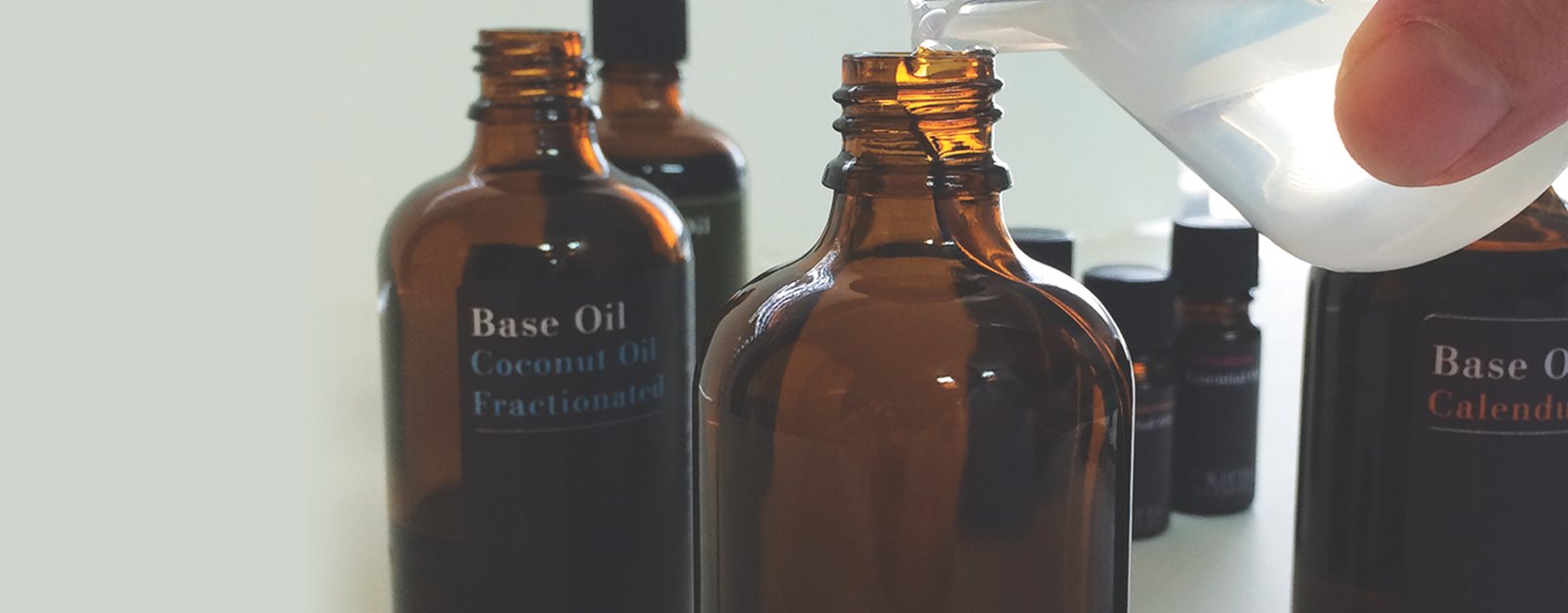
bottles-for-cleanser

Ingredients:

80mls coconut oil

10mls jojoba oil

10mls calendula oil

This mixture of oils forms the perfect addition to your routine, softening and moisturising your skin. Coconut oil is hydrating for the skin, it contains mild anti-bacterial properties and naturally clears dirt and dead skin cells that can clog pores and lead to blemishes. As well as soothing and softening the skin, calendula oil is a great anti-inflammatory, meaning it is fantastic for acne, ulcers, rashes and eczema amongst other skin issues. Jojoba oil is actually a liquid wax, known to be the ‘oil’ that most closely resembles sebum (which is produced by the skin naturally). This makes it fantastic for helping to regulate the production of sebum, thereby reducing the likelihood of oily skin.  As with the coconut and calendula oils, jojoba is also hydrating and moisturizing, making the three a perfect combination for clearing pores and freshening tired skin. Best used at night, this is a ‘one size fits all’ product. It is also virtually scentless, so those of you with a sensitive nose can still benefit! It also works as a great base for more specialised cleansers – if you suffer from acne or blemishes, try adding a drop of lavender (also great for relaxing before bed!), for oily skin add a drop of geranium for its skin balancing properties and for dry skin give a drop of frankincense a try. This product will fast become your go to, we promise!


Posted on — Leave a comment

Become a Taste Tester

Do you love chocolate? Are you adventurous, discerning, have a critical eye (constructively of course!) and can write interesting and readable reviews? If you’d like to be the first to sample our latest chocolate concoctions over the coming months, become a part of our new taste testing team! We’ll send you samples out for free, fresh from our kitchen, in exchange for an honest review before they hit the shelves. This is a great opportunity for any chocolate lovers out there to be involved in the whole process (and get tasty samples too!). To apply, just email us a review you’ve written for any kind of chocolate bar and we’ll let you know if you make the team!*

*This is not a paid or unpaid post and there is no contract of employment implied or intended.

Posted on — Leave a comment

Herb of the month – Fennel

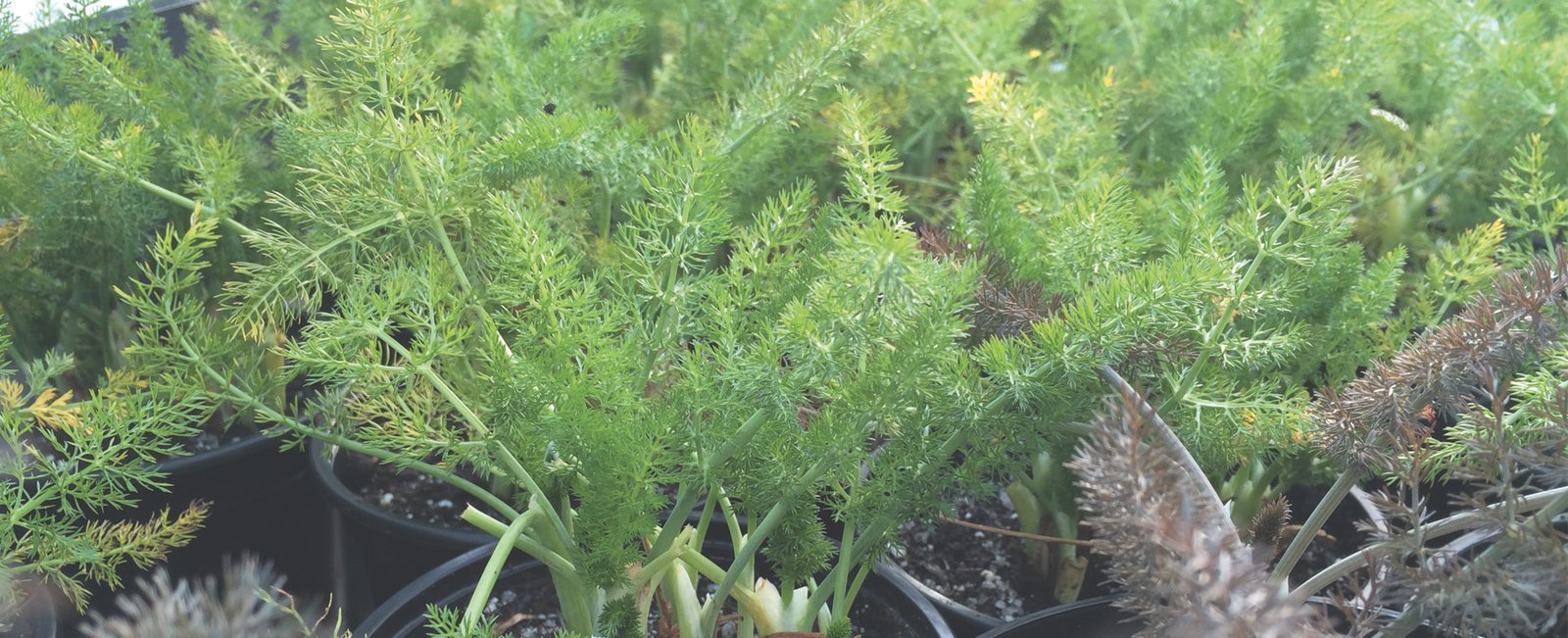
This edition of herb of the month was chosen based on what was still looking good in our very own herb garden – and fennel (Foeniculum vulgare) is the winner by far!  This multi-purpose perennial plant is best grown in loose, well-drained soil, with regular watering and full sunlight.  Although it is suitable for container gardening, it will really thrive in the ground.  The most likely problem to encounter when growing fennel is root rot, easily avoidable by ensuring you don’t overwater the plants and that they are in light soil. Although I have to say our fennel is outdoors and winters are very wet here and it does just fine.

Whilst fennel is best known for the aniseed taste of its seeds, its bulb (Florence Fennel – Foeniculum vulgare, var. azoricum) is a great vegetable to cook with, being very high in vitamin C.  Its fine leaves can be snipped and used for seasoning; the thicker stalks are also great as a snack with hummus (if you like that sort of thing). It can also be kept around just for its pleasant yellow flowers, or its ferny foliage used to stunning effect in flower arrangements.

Fennel is used as seasoning in a lot of Mediterranean cuisine, but can also be delicious combined in more unusual foods – fennel chocolate truffles are simply wonderful. It can also be used in salads, stews, risottos, or this gorgeous recipe for avocado, prawn and fennel cocktails.

The seeds of fennel are often made into oil to treat various ailments, including heartburn, bloating, colic, coughs, bronchitis and backache. It is even suggested to be a cure for bedwetting. Fennel powder can be used as a poultice for snakebites and some women use forms of fennel to help increase the flow of breast milk and ease the birthing process.

The latin for fennel is Foeniculum vulgare and historically, fennel is the symbol of flattery. Shakespeare used this symbolism most famously in ‘Hamlet’, where Ophelia slights the King by handing him fennel (or flattery). It is thought that this is due to the tendency of fennel to wilt very quickly after being picked.