
Posted on — Leave a comment

Betty’s Buns

Not really a bun but we couldn’t resist the title – our gorgeous Betty has been indulging her passion for baking and in this occasional feature will share her favourite recipes.  Today she is making her raspberry adaptation of Nigella Lawson’s simple chocolate cake – and it’s delicious!

choc rasp cake

I love Nigella Lawson’s recipes, both for taste and simplicity, but especially because they always work. Although her simple chocolate cake recipe is gorgeous as is, I made this adapted recipe with a raspberry twist to satisfy my fruity cravings. For a really naughty treat, replace the raspberry coulis with a raspberry liqueur!

Ingredients:

For the cake:

5oz plain flour

1tsp baking powder

1oz unsweetened cocoa

6oz margarine

6oz sugar

3 eggs

3 tsp vanilla extract

For the topping:

125mls raspberry coulis

2oz butter (or margarine)

6oz icing sugar

2 tbsp cocoa powder (or more to taste)

75g raspberry chocolate

Fresh raspberries to decorate


1. Preheat the oven to about Gas Mark 8 (230C)

2. Grease and line a springform cake tin, around 20cm in diameter

3. Cream together the sugar and margarine in a mixing bowl until     light and fluffy, then add the vanilla extract

4. Add the eggs, one at a time, mixing thoroughly until fully combined

5. Sift in the flour and cocoa and mix well, this should look like a creamy chocolate batter. Fold gently to release any trapped air

6. Pour into the greased and lined tin and bake in the oven for 14-15 minutes, until a knife inserted into the centre of the cake comes out clean. Remove from the oven and leave to cool

7. Whilst the cake is cooling, you can make the butter icing. Sift the flour and cocoa powder into a mixing bowl.

8. Add in the butter and beat (any kind of beater will do, electric, whisk or fork). Continue until it resembles a thick paste.

9. Once the cake is cool, remove from the tin and using a skewer or fork, poke a few holes into the top.

10. Pour the raspberry coulis over the cake and allow time to soak in

11. Pipe on the butter icing (or spoon it on if a piping bag is not easily available!)

12. Grate or curl raspberry chocolate liberally on top of the icing and add fresh raspberries to decorate

13. For best results serve with chilled raspberry coulis and clotted cream


This really is an incredibly easy, mouth wateringly delicious cake.


Posted on — Leave a comment

Herb of the Week – Aloe Vera

With the sun making a welcome appearance this week we are sure to see plenty of sun burned skin – so our herb of the week must be Aloe vera.  This important medicinal plant has so many uses – in beauty preparations and medicinally.  Sun burnt skin can be treated with cooling aloe vera gel.  We keep a plant in the kitchen and use the sap directly from the leaves for all types of minor burns – especially those little cooking accidents.


Aloe can help in the relief of symptoms of dermatitis or psoriasis as well as eczema and skin irritations.  It contains a mix of properties including anti-inflammatory and antimicrobial agents as well as minerals and vitamins, which aid penetration of the skin and tissues and encourage healing.


A perennial, tender succulent, this plant should be grown indoors on a sunny windowsill.  It needs a well drained gritty soil and little water, allow to dry out completely between waterings.  It can grow up to 3 feet tall with clusters of long, fleshy leaves and tubular yellow flowers.  Aloe vera is really easy to grow and is a great plant if, like me, you are a bit slack with watering your houseplants!


The sap is also preserved and dried or liquified for use commercially in a wide range of products including toiletries.


We use aloe in our skin care range and our aloe gel can be used as a shaving gel or even used as a base to create a fabulous face mask, try adding avocado and oats.

Posted on — Leave a comment

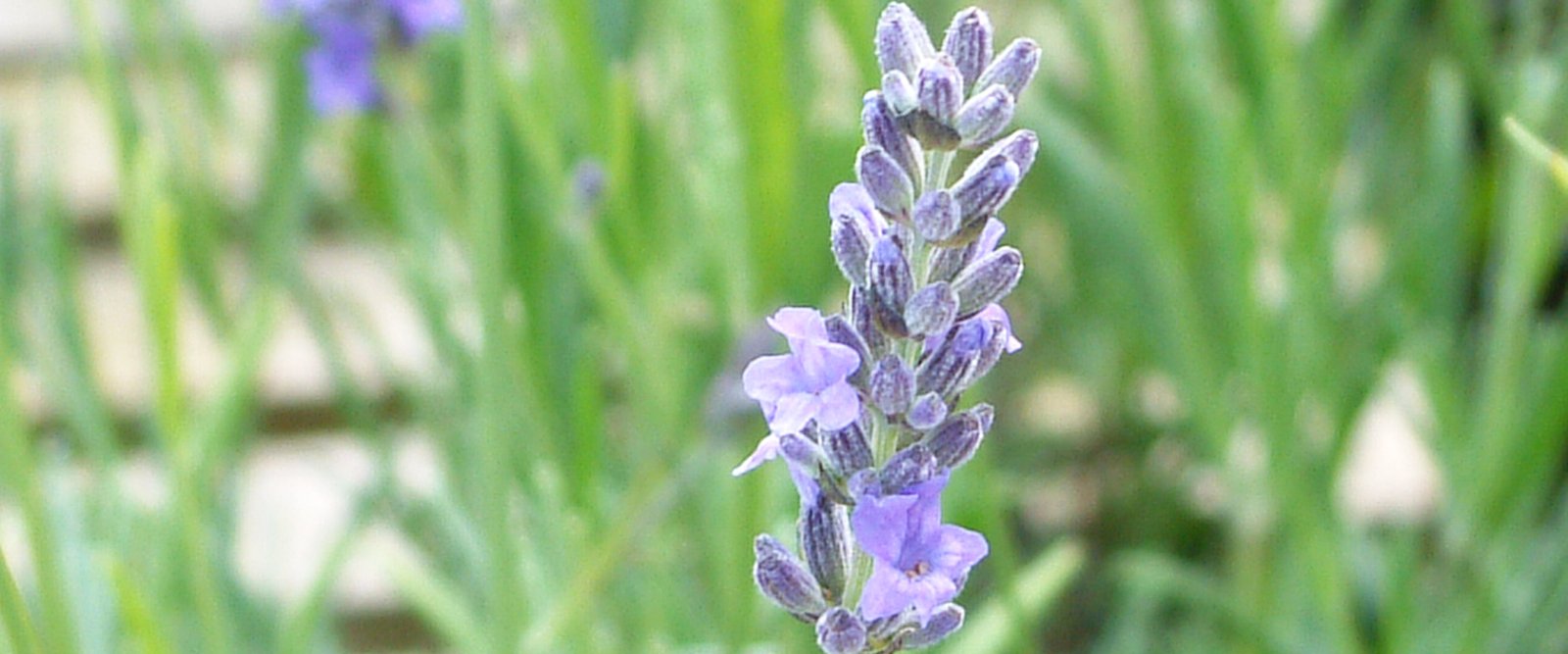
Herb of the Week – Lavandula

Lavandula is probably the most popular and useful of scented garden plants.  Growing to a height of 30cm to 1m Lavender prefers full sun and will thrive in most soils including dry and stony ones; persistently wet situations will cause the plant to die.  They are salt tolerant and make great plants for seaside gardens. Moderately frost hardy to frost hardy, this evergreen is easy to grow  and makes a great container plant.  In Tudor and Elizabethan times it was grown extensively in knot work gardens and even as lawns

Great for adding scent to the home – hang dried bunches around the house for their sweet smell, use dried flowers for lavender bags or pot pourri, or use the essential oil in oil burners or on a cotton wool ball.

Lavender is a calming herb; it aids sleep, can be used to treat minor burns, cuts and bites and makes a fabulous relaxing massage blend.  It can also help relieve muscular aches and pains.

For as long as records exist lavender has been used to create healing balms and potions and was used ritualistically in the embalming of mummies.  Folklore has stories of lavender for healing broken hearts; warding off the evil eye; mixing with other herbs to call upon fairies and spirits; for protection charms; and to attract love.

Once valued as a culinary herb it is making a comeback in the kitchen.  Use sparingly to flavour cakes, biscuits, ice cream or even chocolate.  Try this great recipe for lavender biscuits:

  • 150g butter softened
  • 150g sugar
  • 225g plain flour
  • tsp lavender flowers finely chopped

Put flour, sugar and lavender flowers into  a blender with the butter and blend until it forms a soft dough.   Shape dough into a log and put in fridge for 30 minutes.  Use a sharp knife to cut into thin rounds, place on a greased baking sheet and bake in oven (gas 5 or 190C) for about 15 minutes until golden.