
Posted on — Leave a comment

Herbs for Health – Tea Tree

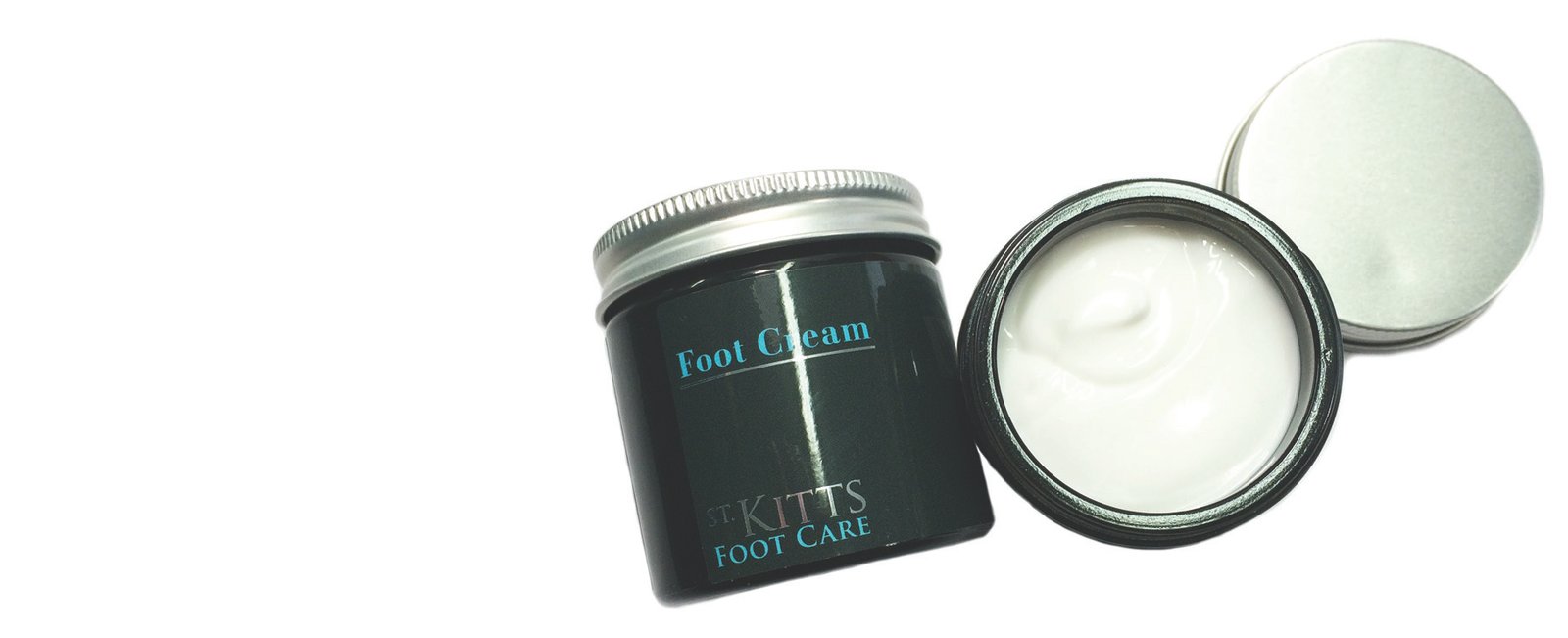
This week’s herb for health is inspired by our dreary winter weather. After turning up to work with my boots soaked through every day this week, my feet were in sore need of some tlc – so of course I turned to tea tree.

Tea tree oil, also called melaleuca oil, is distilled from the leaves of the Melaleuca alternifolia (tea tree) tree. It is well known both for its strong, camphor-like scent and its antifungal, antiseptic, antiviral and antibacterial properties. Previously used in dentistry and surgery to clean wounds, tea tree oil is still recommended as an antiseptic for use on fresh piercings as well as a treatment for fungal infections such as athletes foot. A study published in Tropical Medicine & International Health found that 80% of patients suffering from toenail onychomycosis (a fungal nail infection) were cured through the use of tea tree cream. The antibacterial properties of tea tree also make it suitable for use as an adjunctive treatment for wounds. One of the most common modern uses for tea tree oil is as a cure for acne. It is also suggested that tea tree oil has potential for treating dandruff, lice and gingivitis. In aromatherapy,

In aromatherapy, tea tree oil is used to alleviate symptoms of cold and flu, such as congestion and blocked nose. This is most likely due to the camphor-like smell and is used in steam inhalation to clear the nasal passages. Tea tree oil is also fantastic for reducing the itching of insect bites, sores and spots, as well as a natural treatment for warts.

Tea tree is also a natural insect repellent, can be used as a mould treatment when combined with baking soda and as a laundry freshener, amongst other surprising uses.

*This article is intended for interest only – use of herbs given are traditional and do not reflect the herbs efficacy. It is not intended, nor should be taken as medical advice. If you have a medical condition please consult a qualified health professional prior to using any herbal preparation. Although the facts have been checked carefully, we cannot guarantee the reliability of information provided. Essential oils should not be used on children or vulnerable adults (elderly, breast feeding or ill) or during pregnancy. Some essential oils and herbs can be toxic, whether taken internally or used on the skin – your health care professional will advise.
Posted on — Leave a comment

Recipe – Tikka Paste

January is over and February’s well on its way, but it still just isn’t quite spring. It’s this time of year that I find myself most in need of a pick me up, and I’m sure I’m not the only one. For me, diet is always a contributing factor to my mood, so my pick me ups come in the form of deliciously healthy meals. This week’s recipe comes after racking my brains (and rooting around the internet) for something to lift my mood and wake up my brain – something that I’ve discovered turmeric is great for! Also known as ‘Indian saffron’, turmeric is a staple spice in a lot of Indian cookery.  This easy recipe for a tikka paste not only contains this fantastic spice but is also extremely versatile.  It can be used for paneer or chicken skewers, as a standard curry paste, to spice up a soup or add some flavour to a rice salad.

Ingredients:

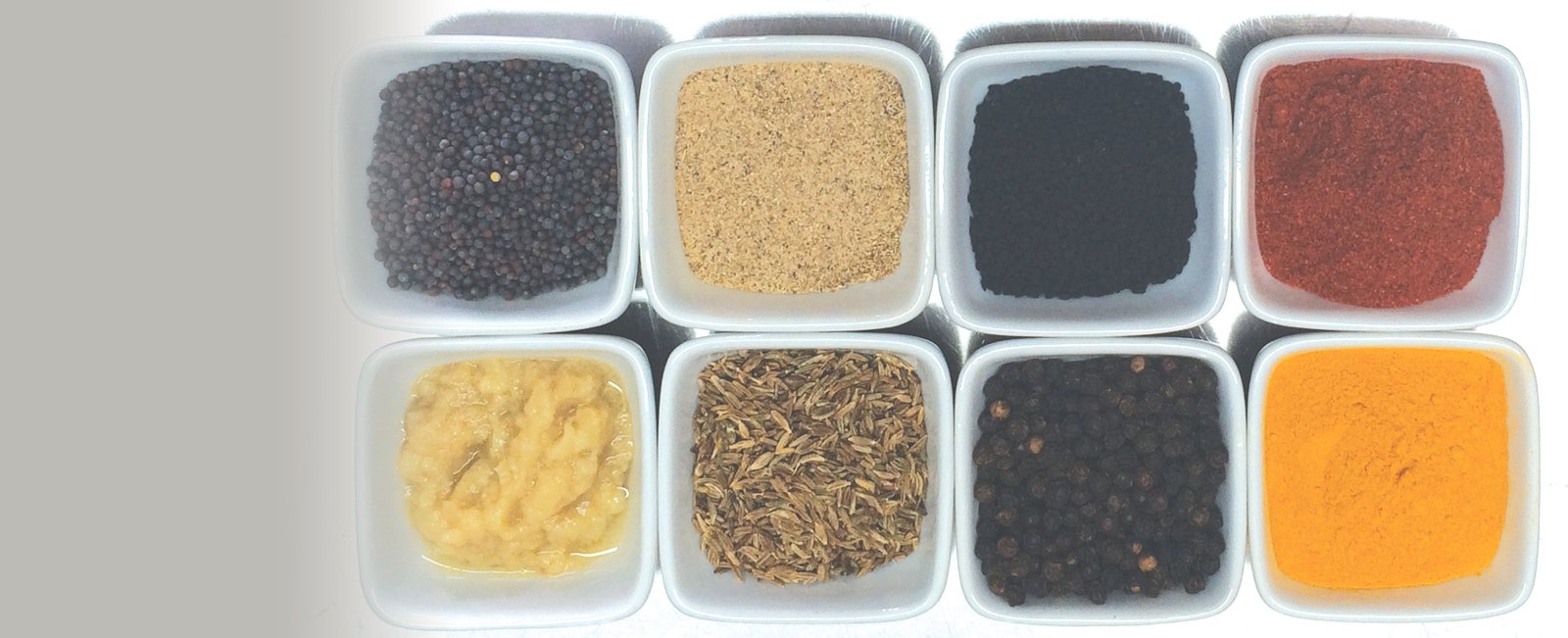
½ tsp ground turmeric

10 black peppercorns

6 cloves

1 tsp ground cardamom

1 tsp cumin seeds

1 tsp coriander seeds

½ tsp mustard seeds

½ tsp chilli powder

1 tbsp garlic paste/ minced garlic

1 tbsp ginger paste/ minced ginger

½ small onion

150g natural yoghurt

½ tbsp. tomato puree

1 tbsp gram flour

1 tbsp vegetable oil

Dry fry the peppercorns, cloves, cumin seeds, coriander seeds and poppy seeds in a frying pan, stirring constantly just until you start to smell the spices. Remove them quickly to avoid burning and grind straight away. This can be done in a Vitamix or other blender for ease, or with a pestle and mortar if you’re more traditional!  Once ground to a fine powder, add in the chilli powder, ground cardamom, ground turmeric, garlic paste, ginger paste and onion. Blitz in a blender until a paste begins to form.  Stir in the yoghurt, tomato puree, gram flour and oil, until well combined. That’s all there is to it!

To make paneer or chicken skewers, use the paste to marinate the paneer/chicken before grilling. For a curry, use in place of shop bought curry paste and add coconut cream for a richer meal. For soups, use a small amount in place of stock. Or experiment and come up with your own uses – let us know what masterpieces you create!

Posted on — Leave a comment

Make your own – Bath Salt

It’s that time of the year again and Valentines Day is fast approaching. Whether you’re looking to make a gift for that special someone or just want to relax and take your mind off the whole holiday, this bath salt recipe is guaranteed to hit the spot.

Ingredients:

½ cup baking powder

¼ cup Epsom salts

1 drop rose absolute oil (or try geranium but you will need a little more of this)

dried rose petals (optional)

bath-salt-2

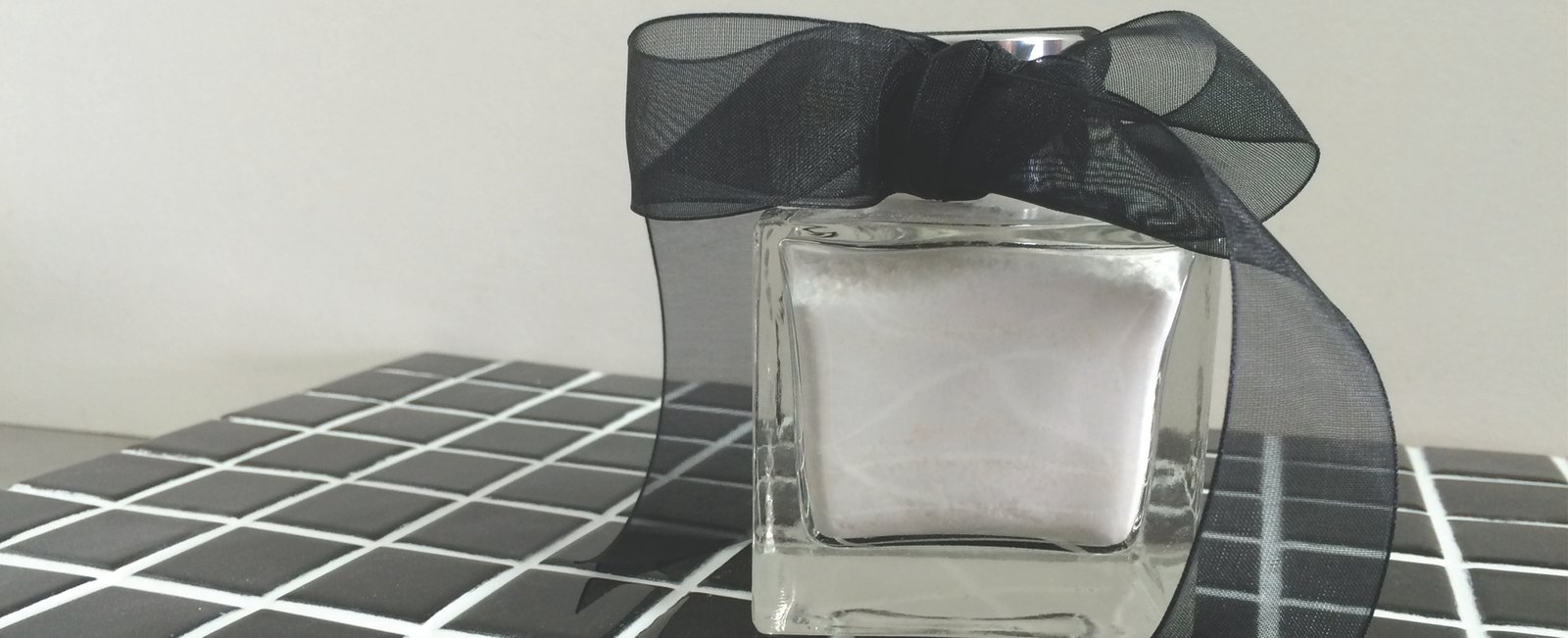
Epsom salts are most easily found in your local chemist.  First mix together the baking powder and Epsom salts, ensuring they are completely combined.  Add the drop of oil and stir thoroughly – there should be no lumps or clumps and the salts should change colour to that of the oil.  This could take quite a while but not to worry; if you are using petals add them now, that’s all there is to it!  Sprinkle the salts into a hot bath and relax.  If you’re not a fan of the heavier, floral scents then replace the rose absolute oil with a few drops of the essential oil of your choice (note that other essential oils may not alter the colour of the salt and will still need thorough mixing).