
Posted on — Leave a comment

Susan’s Lentil Dahl Recipe

So we had to cancel last week’s meal (booo…) due to illness, but to try and make up for it, we thought we’d give you our recipe so you can try it at home. To me, this meal is Indian comfort food at its best – a real winter warmer, or just as fabulous cold the next day. I recommend eating whilst in your pyjamas!

If Indian food is your thing, take a look at Manjulas Kitchen, for some fabulous recipes (and great watching!).

 Susan’s Lentil Dahl

1 onion finely chopped

1 carrot cut into thin slices

2 large potatoes cut into small cubes

couple of large handfuls of red lentils

½ block of creamed coconut (not milk and not a carton)

1 tsp black or brown mustard seed

1 tsp ground coriander

1 tsp ground cumin

1 tsp turmeric

½ tsp black pepper

1 tsp ground cardamom

1 inch piece of fresh ginger – peeled and finely grated

1 clove garlic crushed (totally optional, I don’t use this at all, but if you like garlic knock yourself out!)

ghee or oil – about two tablespoons

handful of fresh coriander leaves – chopped


Heat the oil or ghee in a large saucepan, when hot drop in the mustard seeds and leave until they start to pop, add the onion and cook until it starts to brown. Add the coriander, cumin, turmeric, pepper, cardamom, fresh ginger and the garlic if using. Cook the spices for a moment or two before adding in the carrots, potatoes and lentils and cook for a few seconds. Add enough water to completely cover everything and bring to the boil. Reduce heat to a simmer and cook until everything is soft, adding boiling water if it needs it. When it is cooked there should still be a good amount of liquid in the pot, now add the block of coconut and stir until it’s is completely dissolved, cook on for a minute or two until it thickens. Remove from heat and stir in the most of the fresh coriander, reserving a little for garnishing. Serve with yoghurt, mango chutney and a chapatti.

We recommend serving with onion (or cauliflower if you’re feeling adventurous) bhajis – check out our easy bhaji mix here.
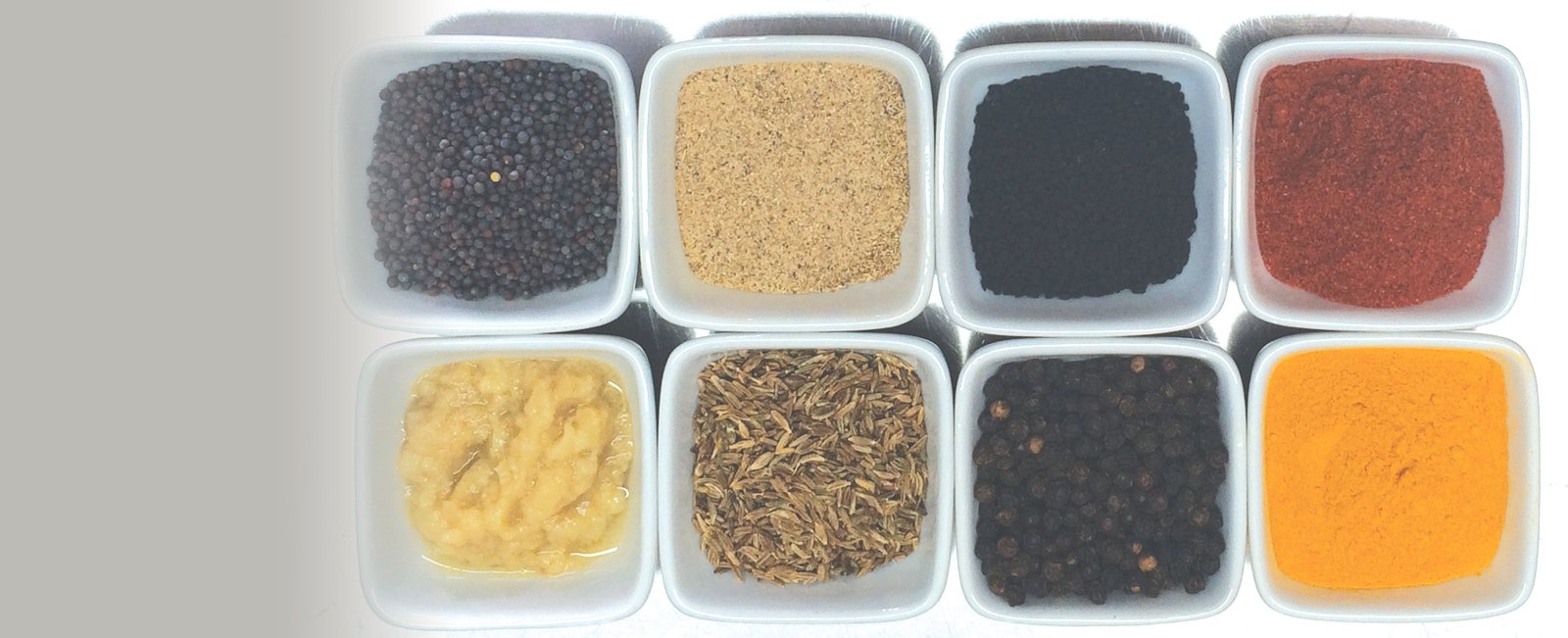
Photo credit: srqpix via Foter.com / CC BY

Posted on — Leave a comment

Recipe – Tikka Paste

January is over and February’s well on its way, but it still just isn’t quite spring. It’s this time of year that I find myself most in need of a pick me up, and I’m sure I’m not the only one. For me, diet is always a contributing factor to my mood, so my pick me ups come in the form of deliciously healthy meals. This week’s recipe comes after racking my brains (and rooting around the internet) for something to lift my mood and wake up my brain – something that I’ve discovered turmeric is great for! Also known as ‘Indian saffron’, turmeric is a staple spice in a lot of Indian cookery.  This easy recipe for a tikka paste not only contains this fantastic spice but is also extremely versatile.  It can be used for paneer or chicken skewers, as a standard curry paste, to spice up a soup or add some flavour to a rice salad.

Ingredients:

½ tsp ground turmeric

10 black peppercorns

6 cloves

1 tsp ground cardamom

1 tsp cumin seeds

1 tsp coriander seeds

½ tsp mustard seeds

½ tsp chilli powder

1 tbsp garlic paste/ minced garlic

1 tbsp ginger paste/ minced ginger

½ small onion

150g natural yoghurt

½ tbsp. tomato puree

1 tbsp gram flour

1 tbsp vegetable oil

Dry fry the peppercorns, cloves, cumin seeds, coriander seeds and poppy seeds in a frying pan, stirring constantly just until you start to smell the spices. Remove them quickly to avoid burning and grind straight away. This can be done in a Vitamix or other blender for ease, or with a pestle and mortar if you’re more traditional!  Once ground to a fine powder, add in the chilli powder, ground cardamom, ground turmeric, garlic paste, ginger paste and onion. Blitz in a blender until a paste begins to form.  Stir in the yoghurt, tomato puree, gram flour and oil, until well combined. That’s all there is to it!

To make paneer or chicken skewers, use the paste to marinate the paneer/chicken before grilling. For a curry, use in place of shop bought curry paste and add coconut cream for a richer meal. For soups, use a small amount in place of stock. Or experiment and come up with your own uses – let us know what masterpieces you create!