Posted on — Leave a comment

Recipe – Cherry and Lavender Tea Smoked Chicken

Making the same meals over and over again, no matter how delicious, can quickly turn cooking into a chore. I’m a big fan of keeping it interesting with something a little bit different, and our new tea range gave me the chance to do just that. This recipe is extremely easy and unbelievably delicious – with the added bonus of sounding impressive!

smoked.chicken

Ingredients:

2 chicken breasts

1 tbsp olive oil

1tbsp dried thyme

1 tbsp black pepper (crushed or ground)

1 tbsp smoked paprika

3 tbsp Demerara sugar (any brown sugar will work just as well)

½ tbsp salt

4 tbsp brown rice

15 tsp cherry and lavender tea


Method:

– Start by mixing in a bowl the olive oil, thyme, black pepper, paprika, salt and 1 tbsp of sugar. Stir thoroughly and then coat the chicken breasts in the mixture and leave to one side. This can be done the day before and left in the fridge overnight, but will work just as well done just before cooking.

– Double line a wok or large saucepan with foil. Mix together the brown rice, cherry and lavender tea and the remaining brown sugar and add to the bottom of the foil. Cover with another piece of scrunched up foil.

– Put the wok on a high heat, until the pan starts to visibly smoke. Immediately turn the pan down to the lowest possible heat setting, place the chicken on top of the scrunched foil and tightly cover the top of the wok with a lid or more tin foil.

– Leave the covered chicken cooking on a low setting for 30 mins, then check with a thermometer that it is hot all the way through, If not, leave cooking and check again every 5 minutes until cooked. Take off the heat and leave to cool for 5 minutes before slicing and serving.

I served this chicken on a bed of green leaves with a cherry salad dressing and potato and chorizo gratin on the side. But be adventurous – it will also make for a great summer salad with cherries, a gourmet sandwich for lunches or even with a Thai noodle salad!

Posted on — Leave a comment

Recipe – Lavender Drizzle Cake

With summer finally looking like it might be on its way (fingers crossed!), it’s time to move away from the heavy, chocolate-based comfort foods and onto something a bit lighter. I’d like to say healthier but I have too much of a sweet tooth for that! This recipe is a basic Madeira cake base, always a summer favourite, but (as always) with our own special twist. The lavender glaze compliments the subtle lemon of the Madeira for a sweet, summery treat. Anyone who’s been following our recipe blog will have worked out by now that I adore Nigella Lawson, so of course it’s her Madeira cake recipe that I started with! I have adapted the cook times slightly so that I could make individual cakes, but if you want a traditional loaf cake then Nigella’s is the recipe to go with.

Ingredients:

For the cake:

240g butter or margarine

200g sugar (Nigella recommends caster sugar, but if you’re lazy like me then granulated works fine)

grated zest and juice of one lemon

3 eggs

300g flour

2 tsp baking powder

6 small ramekins or 1 loaf tin

For the glaze:

6 heaped tbsp. icing sugar

3 tbsp lavender syrup

cold water


Method:

– Line either your ramekins or loaf tin with baking parchment.

– Preheat the oven to gas mark 3/170C

– In a mixing bowl, cream together the butter and sugar until light and fluffy, then add in the lemon zest and mix well.

– Add the eggs one at a time. Adding a tablespoon of the flour with each egg will help it to mix in better without curdling.

– Mix in the rest of the flour, stirring gently so as not to lose the air from the mixture.

– Add the lemon juice and mix thoroughly.

– Put into your preheated oven and bake for roughly 45 minutes if in ramekins or 1 hour if in a loaf tin. I start checking the cakes about 20 minutes before this, to avoid burning. You’ll know they’re done when a cake tester comes out clean.

– Put your cakes to one side to cool whilst you get on with the lavender glaze.

– In a bowl, mix together the icing sugar and lavender syrup. I use a fork for this to avoid any sugary lumps.

– Once the icing has formed a paste, add the cold water a teaspoon at a time. Stop when you have a relatively thin, runny icing.

– Before your cakes have completely cooled, turn them out onto a wire rack. Once they are cold, cover in the lavender glaze and leave to harden.

This really is a super easy recipe (like everything I make) and guaranteed to impress!

Posted on — Leave a comment

Make Your Own – Hand Balm

Love our fathers as we may, I think we can all admit that buying them gifts can be a pain! So if you’re fed up of the standard beer and socks this father’s day, why not make your own gift? This fabulous hand balm recipe works wonders even on the roughest of hands – and the men in our lives need some pampering occasionally!

balm.blog.jars

Recipe:

200g cocoa butter

200g shea butter

400mls sweet almond oil

few drops essential oil (whatever fragrance you like – we love lavender for its fab healing properties!)


Method:

– Melt the butters in a bowl over a pan of boiling water, until completely liquid.

– Remove from the heat and immediately stir in the sweet almond oil and essential oil.

– Pour into sterile containers (you can just sterilise some old glass jars for this), cover with greaseproof paper and leave to cool.

– Once completely cooled, place carefully in the freezer until set.

– Cap the jars, ribbon for an extra special touch and then you’re all set!

The great thing about this is it can last for up to 18 months if kept in a cool dry place– so you can make one big batch and have home made presents ready all year!

Posted on — Leave a comment

Make Your Own – Face Cleanser

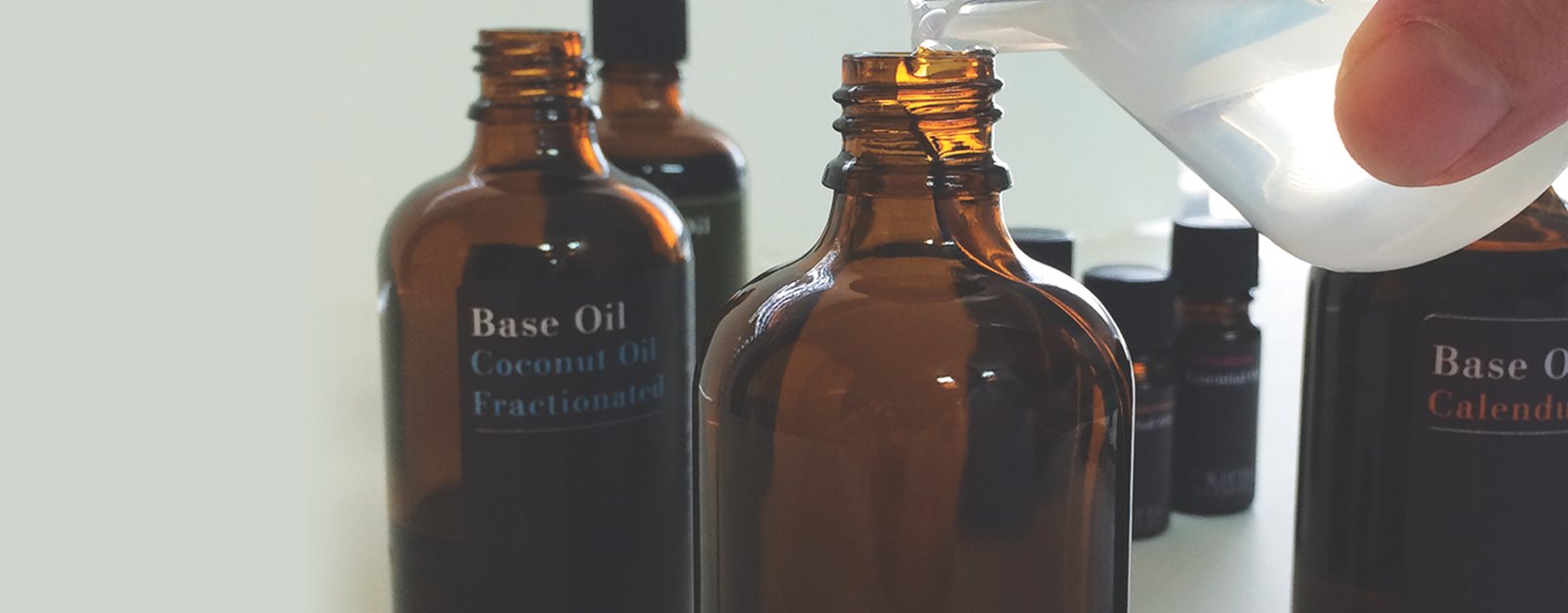
Looking after your skin can be expensive and time consuming, but often the products we use are unnecessary.  We at St Kitts believe skin care should be simple, easy and uncomplicated – no need for special beads dug from an ancient burial sight somewhere far across the galaxy that guarantee to leave your skin feeling ‘just delightful!’ and your pocket decidedly empty. The staple of every skin care routine, as far as I’m concerned, is a great cleanser. This easy recipe for fantastic cleansing oil is both a versatile and cheap way of achieving glowing skin.

bottles-for-cleanser

Ingredients:

80mls coconut oil

10mls jojoba oil

10mls calendula oil

This mixture of oils forms the perfect addition to your routine, softening and moisturising your skin. Coconut oil is hydrating for the skin, it contains mild anti-bacterial properties and naturally clears dirt and dead skin cells that can clog pores and lead to blemishes. As well as soothing and softening the skin, calendula oil is a great anti-inflammatory, meaning it is fantastic for acne, ulcers, rashes and eczema amongst other skin issues. Jojoba oil is actually a liquid wax, known to be the ‘oil’ that most closely resembles sebum (which is produced by the skin naturally). This makes it fantastic for helping to regulate the production of sebum, thereby reducing the likelihood of oily skin.  As with the coconut and calendula oils, jojoba is also hydrating and moisturizing, making the three a perfect combination for clearing pores and freshening tired skin. Best used at night, this is a ‘one size fits all’ product. It is also virtually scentless, so those of you with a sensitive nose can still benefit! It also works as a great base for more specialised cleansers – if you suffer from acne or blemishes, try adding a drop of lavender (also great for relaxing before bed!), for oily skin add a drop of geranium for its skin balancing properties and for dry skin give a drop of frankincense a try. This product will fast become your go to, we promise!


Posted on — Leave a comment

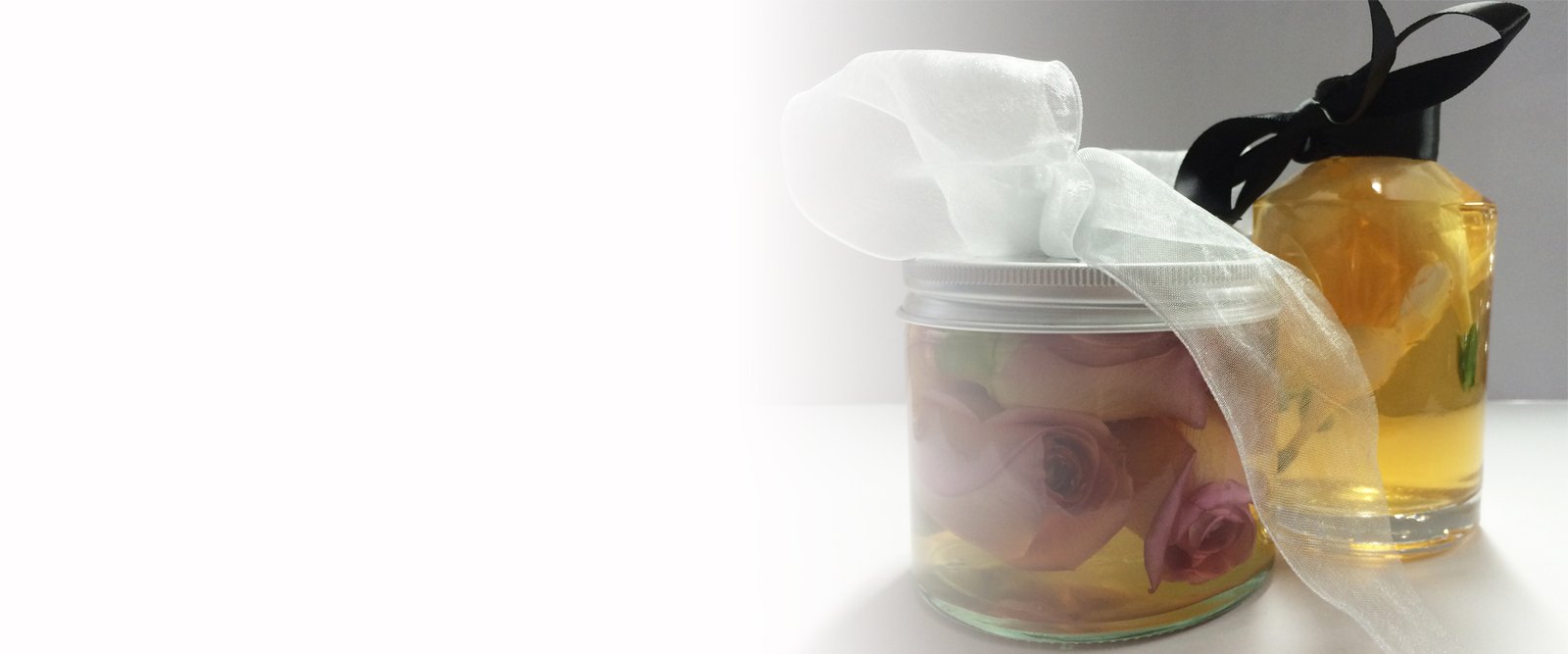
Bath Vinegar – Make your own Christmas presents

With Christmas drawing closer it’s time to start thinking about those all-important presents. If you’re anything like me, you’ll have noticed that unique gifts are getting harder to come by – so why not change things up this year and make some of your own? This is our tried and tested, easy recipe to make your very own bath vinegars. Unique, beautiful and great for balancing the ph of the skin, these are a failsafe present for the hard to please.

IMG_0465 

– Start by collecting your flowers. We made ours with beautiful pink roses, but you could also use pelargonium flowers, carnations or even lemon slices, depending on the scent you’d like to end up with.

IMG_0467IMG_0470  

– In a sterile bottle or jar, gently arrange your flowers. This is much easier to accomplish in a jar, though if you like the look of the sauce style bottle then be sure to take care when pushing the buds through the neck.

 IMG_0471

– Pour in enough cyder vinegar to cover the flowers, before adding a few drops of essential oil. Again we have used rose essential oil to complement the flowers. If you’ve gone for pelargonium then geranium oil works best here, freesia oil with freesias and of course lemon oil with lemon slices.

vinegar

– Cap and shake gently and you’re pretty much done! Leave the vinegar to infuse for one month to really get the best scent for your bath. Then just decorate the bottle by wrapping with ribbon or raffia, add a hand made tag and your handmade gift is ready to go!


Posted on — Leave a comment

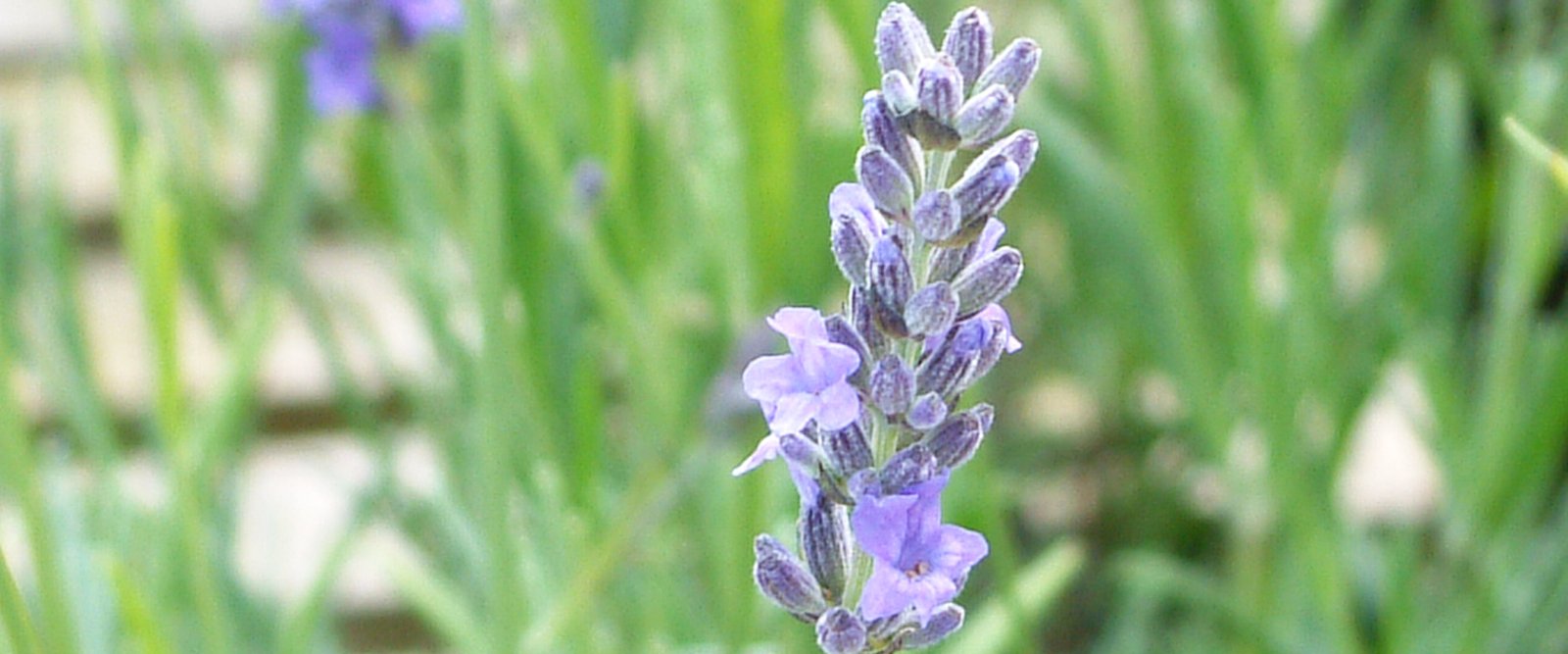
Herb of the Week – Lavandula

Lavandula is probably the most popular and useful of scented garden plants.  Growing to a height of 30cm to 1m Lavender prefers full sun and will thrive in most soils including dry and stony ones; persistently wet situations will cause the plant to die.  They are salt tolerant and make great plants for seaside gardens. Moderately frost hardy to frost hardy, this evergreen is easy to grow  and makes a great container plant.  In Tudor and Elizabethan times it was grown extensively in knot work gardens and even as lawns

Great for adding scent to the home – hang dried bunches around the house for their sweet smell, use dried flowers for lavender bags or pot pourri, or use the essential oil in oil burners or on a cotton wool ball.

Lavender is a calming herb; it aids sleep, can be used to treat minor burns, cuts and bites and makes a fabulous relaxing massage blend.  It can also help relieve muscular aches and pains.

For as long as records exist lavender has been used to create healing balms and potions and was used ritualistically in the embalming of mummies.  Folklore has stories of lavender for healing broken hearts; warding off the evil eye; mixing with other herbs to call upon fairies and spirits; for protection charms; and to attract love.

Once valued as a culinary herb it is making a comeback in the kitchen.  Use sparingly to flavour cakes, biscuits, ice cream or even chocolate.  Try this great recipe for lavender biscuits:

  • 150g butter softened
  • 150g sugar
  • 225g plain flour
  • tsp lavender flowers finely chopped

Put flour, sugar and lavender flowers into  a blender with the butter and blend until it forms a soft dough.   Shape dough into a log and put in fridge for 30 minutes.  Use a sharp knife to cut into thin rounds, place on a greased baking sheet and bake in oven (gas 5 or 190C) for about 15 minutes until golden.


Posted on — Leave a comment

Pip McCormac’s Violet Scones

Have you seen this fantastic new book from Pip McCormac?  We have and it is choc full of wonderful recipes. In fact, we loved it so much that, following a chat with Pip, we have the privilege of being able to share one of his recipes with you, so here are Pip’s Violet Scones!


Violet Scones with honeyed cream

50g butter, plus extra for greasing

225g self-raising flour, plus extra for dusting

25g sugar

150ml milk, plus extra for glazing

1 tsp vanilla extract

3 violet flowers, chopped, plus extra petals for serving

100g clotted cream

2 tbsp runny honey

VioletScones051

I’ve never been a fan of the soapy taste of parma violets, but if you use violet flowers sparingly and bake them they are far subtler – a clever floral note rather than an overpowering flavour. The honeyed cream is what provides the real sweetness here; it’s thick and indulgent and removes the need for jam or butter… although a dollop of lemon curd goes well if you have a really sweet tooth.

Preheat the oven to 225C/Gas mark 7 and line and grease a large baking tray. In a food processor, mix together the flour, butter and sugar until it resembles breadcrumbs. Pour in the milk and vanilla extract and beat into a stiff dough. Add the violet flowers and give a final few pulses of the processor to combine them into the mixture. Lightly dust your worktop with flour and place the dough in the middle, sprinkling a little flour over the top. Using a rolling pin, work the dough until it’s about 2cm thick. Take a 5cm round cutter and cut out discs, placing them onto the baking tray. Roll the leftover dough out again and cut out more rounds, repeating until all the dough is used up. Try not to roll the dough too many times as this will lead to tough scones. Brush the top of each with a dab of milk and place the tray in the oven for 12–15 minutes until golden. Transfer to a wire rack and leave to cool.

Just before you are about to eat the scones, place the cream in a small bowl and briefly fold in the honey – do not mix until combined, you want it to have a rippled effect – and top with a few violet petals. Cut open the scones, spread a bit of cream on top and serve.


This recipe is taken from The Herb and Flower Cookbook by Pip McCormac (Quadrille, £16.99)

9781849494168
Pip McCormac’s “The Herb & Flower Cookbook”

Photograph © Yuki Sugiura