Posted on — Leave a comment

Sage and Thyme Steaming Treatment

We’ve given ourselves a productive new year’s resolution this year – we’re finally going to get the hang of this blogging business! No more getting distracted, you’re going to be hearing a lot more from us… So to start on the right note (halfway through January, but close enough!) here’s our first ‘make your own’ of the year.

It’s the time of year for dry skin and blocked noses, but we’ve got a super easy, very relaxing way to combat both at the same time. A sage and thyme steaming treatment will open and unclog your pores, whilst clearing your sinuses for easier breathing.

Ingredients:

Handful fresh sage

Handful fresh thyme

Bowl of boiled water

Towel

jan.17.blog.3

It really is as easy as it sounds like it’s going to be! Just pop the herbs into a bowl of freshly boiled water, then lean your face over (not so close that you scald yourself…), lay the towel over your head and breathe deeply. You can stay here for 5 to 10 minutes, before wiping your face off with a cold, damp cloth to close up those pores again. For best results, follow up with a refreshing, toning spritzer and moisturiser.

Posted on — Leave a comment

Make your own – Hair Shine Treatment

I don’t know about you but the miserable winter we’ve been having has left my hair in a complete mess. Luckily, this super easy to make hair shine treatment is great for split ends, brittle hair or even just a bit of a pick me up on a girly night in.

Ingredients:

10g rosemary leaves

10g dried chamomile flowers

100ml fractionated coconut oil

This makes enough for one treatment for very long hair or several if you’re rocking a pixie cut! You’ll have to make it up a bit in advance – just pop all of the ingredients into a jar or bottle and leave to infuse (I only left it overnight but if you can manage a week then even better). When you’re ready to use it, strain through a sieve to get rid of the herbs and work the oil into your scalp and hair. Wrap your hair in clingfilm (or a hot towel if you’re feeling fancy) and leave for a minimum of 30 minutes. If your hair is particularly dry then it can be left in overnight, but be warned – this is not a good idea if your hair leans toward being greasy! Wash the oil out with shampoo; you might need to do this a couple of times to get all of the oil out. Voila! Enjoy your soft, shiny, revived hair. If you’d like to know more about why this works, check out this article about the benefits of coconut oil for your hair.

Posted on — Leave a comment

Herb of the Month – Horseradish

So it’s been a while since we’ve written a blog (we’re slacking, I know!) and in the meantime winter has crept in properly. In our house that means stews, pies and roasts – as often as possible! There is a certain someone in our household, who shall remain unnamed (Paul), who can’t seem to eat any of these things without an appropriately large selection of condiments. Our herb of the month has been chosen in his honour – horseradish.

The best known, and possibly most delicious, use for horseradish is of course in condiment form as horseradish sauce (we personally like horseradish mustard). It’s a really simple sauce, made from grated horseradish root and vinegar – and it’s really easy to make at home. Not many people make it themselves though; in fact sales of horseradish in a bottle began in 1860 – making it one of the first convenience foods available. It remains popular throughout the world, with several varieties available, including with beetroot – yum…

Horseradish has other uses though, including medicinally. It can be used to treat urinary tract infections, kidney stones, bronchitis, rheumatism, sciatic nerve pain, gout and even colic. Though as always, consult your doctor before use!

Even better, horseradish is amazingly easy to grow at home. It will do best in a nice sunny spot, but this is the UK so it can also make do with some shade! It’s a perennial and best grown from a cutting. They can pretty much be planted and left alone, with possibly a little water if we (miraculously) have a dry spell, to be harvested the next year. When harvesting, you’ll want to make sure you remove the entire root and then replant only what you want – it can easily take over your garden if left to its own devices. It has to be said though, once you’ve got access to the fresh stuff, you won’t want it from a jar again!

Posted on — Leave a comment

Make your own – Bath Milk Bag

So it seems summer is over (what little we had of it!) and autumn is swiftly taking over. My cure all for those end of summer blues has always been a good long soak in the bath! This fantastic recipe for easy peasy bath milk has been a godsend for me – perfect to help you unwind.

Ingredients:

100g milk powder

5 – 10g dried flowers (I used calendula, the colour seemed fitting for autumn!)

2-4 drops essential oil (orange for me, but you can use anything that will help you relax)

muslin bags or squares of muslin and a length of thin ribbon

bath-milk-step-1

Method:


In a bowl, add the essential oil to the milk powder and stir thoroughly. It’s important to make sure that the essential oil is completely mixed in, with no clumpy bits.

bath-milk-step-2

Then add your flowers and once again mix thoroughly.

bath-milk-step-3

That’s really all there is to it! Pop your bath milk into a muslin bag, or if using muslin squares then place a tablespoon of mixture in the middle, bring the four corners together to form a pouch and then seal with the thin ribbon. Leave a loop of ribbon to tie the bag below the tap while you run your bath, so that the water runs through the mixture.

bath-milk-bag

Enjoy your soak in milky, aromatic goodness!

Posted on — Leave a comment

Herbs for Health – California Poppy

It’s been a little while since we posted a blog – things have been a bit hectic for us busy bees! So, since it seemed appropriate for us, this week’s herb for health was chosen thanks to its calming properties – California Poppy, sometimes called ‘golden poppy’.

An annual flower, the California poppy is native to North America and is the state flower of California (there might have been a clue in the name!). Its beautifully colourful flowers brighten any garden and were first introduced to Europe as purely ornamental. However, as a member of the Papaveraceae family, this is a cousin to the better-known opium poppy and, though not as powerful, has some very similar effects. It was originally used by the Native Americans as a remedy for toothache and colicky pains, but in the last century its medicinal uses have been likened to a non-addictive alternative to the opium poppy. It can calm excitability, anxiety, restlessness, act as pain relief, aid insomnia and in some cases is used as a remedy for bed wetting and diseases of the bladder and liver. It has both sedative and anxiolytic properties, and recent research shows that when combined with magnesium and hawthorn it can treat a variety of anxiety disorders.

California poppy is most commonly taken internally, in the form of teas or tinctures. However, it can also be applied externally in lotions or liniments, to help ease tension headaches, sciatica, earache, back pain and arthritic pain. It is also antimicrobial and so can be applied to cuts and scrapes to ease pain and minimise risk of infection.

Though effects of long-term usage have yet to be determined, California poppy is safe to use for most people when taken orally for three months or less. As with many medicines, usage should be avoided during pregnancy or breast feeding. As one of the properties of California poppy is that of a sedative, it can cause the central nervous system to slow down. It should therefore not be mixed with anaesthesia or other medications used before or after surgery, or other sedative medications such as Benzodiazepines or CNS depressants.

*This article is intended for interest only – use of herbs given are traditional and do not reflect the herbs efficacy. It is not intended, nor should be taken as medical advice. If you have a medical condition please consult a qualified health professional prior to using any herbal preparation. Although the facts have been checked carefully, we cannot guarantee the reliability of information provided. Essential oils should not be used on children or vulnerable adults (elderly, breast feeding or ill) or during pregnancy. Some essential oils and herbs can be toxic, whether taken internally or used on the skin – your health care professional will advise.

Posted on — Leave a comment

Herbs for Health – Valeriana officinalis

There are many herbs that are useful in a medicinal capacity but perhaps none are so well known as valerian. Valeriana officinalis, of the Valerinaceae family, is also known as valerian, Baldrian, cat’s love, cat’s valerian, kesso root, St George’s herb and garden heliotrope. Its medicinal properties lie in its root, which can be dried for use in tea or capsules, or distilled into oils and ointments.

valerian.flower

Though it has a relatively wide range of uses, valerian root is most commonly used for sleep disorders – particularly insomnia. It acts as a sedative to the brain and nervous system, allowing for sleep to come easily. As a remedy for insomnia, valerian is often combined with hops or lemon balm, either in a tea, pill, in a sleep pillow or even added to bath water. Many people choose valerian as an alternative to prescription sleeping pills, such as Valium, as it is less likely to leave you feeling groggy the next morning. Its sedative properties also lead it to be used in combination with other herbs as a remedy for conditions such as anxiety and stress, as well as symptoms related to these conditions, such as hysteria, panic, excitability, fear, migraines, stomach upset, depression and mild tremors. It is thought to help with sciatica and multiple sclerosis, shingles and rheumatic pain, as well as being useful to stabilise blood pressure and regulate arrhythmias. Some people also prescribe this for epilepsy, attention deficit-hyperactivity disorder and chronic fatigue syndrome. Some women use valerian to help with pain from menstrual cramping and symptoms associated with menopause. It is not recommended as safe for use when pregnant or breast-feeding. The usual dose of valerian is 1 teaspoon in oil form, 1 – 2 cups of tea or 1 – 2 capsules, though as you are unlikely to overdose on valerian you can play around until you find what suits you.

Though it is commonly used as a remedy for insomnia, there are many things to think about before taking valerian – including whether medicine is the best optionyou’re your condition. More information can be found here. Valerian tends to be most effective when used regularly, with the best results seen after around 2 weeks. However, there has been no research into the effects of long-term use of valerian. There can be side effects to taking valerian root, including headaches, dizziness and (counter-intuitively) sleeplessness. Due to its nature as a sedative, there can be reactions with other drugs and if you are due to undergo surgery under anaesthesia it is recommended you stop taking valerian at least 2 weeks beforehand.

*This article is intended for interest only – use of herbs given are traditional and do not reflect the herbs efficacy. It is not intended, nor should be taken as medical advice. If you have a medical condition please consult a qualified health professional prior to using any herbal preparation. Although the facts have been checked carefully, we cannot guarantee the reliability of information provided. Essential oils should not be used on children or vulnerable adults (elderly, breast feeding or ill) or during pregnancy. Some essential oils and herbs can be toxic, whether taken internally or used on the skin – your health care professional will advise.

Posted on — Leave a comment

Make Your Own – Hand Balm

Love our fathers as we may, I think we can all admit that buying them gifts can be a pain! So if you’re fed up of the standard beer and socks this father’s day, why not make your own gift? This fabulous hand balm recipe works wonders even on the roughest of hands – and the men in our lives need some pampering occasionally!

balm.blog.jars

Recipe:

200g cocoa butter

200g shea butter

400mls sweet almond oil

few drops essential oil (whatever fragrance you like – we love lavender for its fab healing properties!)


Method:

– Melt the butters in a bowl over a pan of boiling water, until completely liquid.

– Remove from the heat and immediately stir in the sweet almond oil and essential oil.

– Pour into sterile containers (you can just sterilise some old glass jars for this), cover with greaseproof paper and leave to cool.

– Once completely cooled, place carefully in the freezer until set.

– Cap the jars, ribbon for an extra special touch and then you’re all set!

The great thing about this is it can last for up to 18 months if kept in a cool dry place– so you can make one big batch and have home made presents ready all year!

Posted on — Leave a comment

Herb of the Month – Pineapple Sage

The weather’s been a bit up and down recently, sunny one minute and raining the next – as they say in Cornwall, ‘don’t like the weather? Just wait five minutes’! We’ve still got some thriving plants though, including our herb of the month, Pineapple Sage.

Salvia elegans, commonly called Pineapple Sage, is a perennial shrub with tubular red flowers and a pineapple scent to its leaves (hence the name!). Native to Mexico and Guatemala, its flowers are attractive to hummingbirds and butterflies, in some areas was found to be in the top three plants visited by hummingbirds. It grows up to 1.5m tall and usually flowers between August and late autumn, though some varieties bloom much earlier in the summer. Pineapple sage is relatively easy to grow, liking rich and well-drained soil with lots of light and regular watering. It will flourish either in the ground or in a pot, just remember to leave it lots of space as its roots will grow into a large tangle.

When it comes to uses, pineapple sage shines as a culinary herb. Mixed with garlic and butter it can be a beautifully fruity rub for chicken or even an unusual way to make garlic bread. Its leaves are used in many pestos, with a slightly sweeter taste than common sage. They can also be tossed into fruit or vegetable salads, used as a garnish or to make hot or cold teas. Or try something more adventurous and make a pineapple sage syrup to use on pancakes, waffles, cakes or ice cream. Even the flowers are edible, making fantastic garnishes for desserts.

Pineapple sage is a member of the Salvia family, which takes its name from the Latin verb ‘salvare’, meaning ‘to save’ or ‘to heal’. It is not a surprise then that sage has many medicinal uses. It is traditionally used to lower blood pressure, ease anxiety, indigestion and heartburn. It is also used to ward off negativity, bad spirits, bad health and even bad luck. A home can be cleansed of all negative energy and influences by hanging garlands of sage around windows and doors, or ‘smudging’ (burning the herbs). Whether you use it for any of these things or not, it can’t be denied that pineapple sage is a beautiful addition to any garden.

Posted on — Leave a comment

Make Your Own – Face Cleanser

Looking after your skin can be expensive and time consuming, but often the products we use are unnecessary.  We at St Kitts believe skin care should be simple, easy and uncomplicated – no need for special beads dug from an ancient burial sight somewhere far across the galaxy that guarantee to leave your skin feeling ‘just delightful!’ and your pocket decidedly empty. The staple of every skin care routine, as far as I’m concerned, is a great cleanser. This easy recipe for fantastic cleansing oil is both a versatile and cheap way of achieving glowing skin.

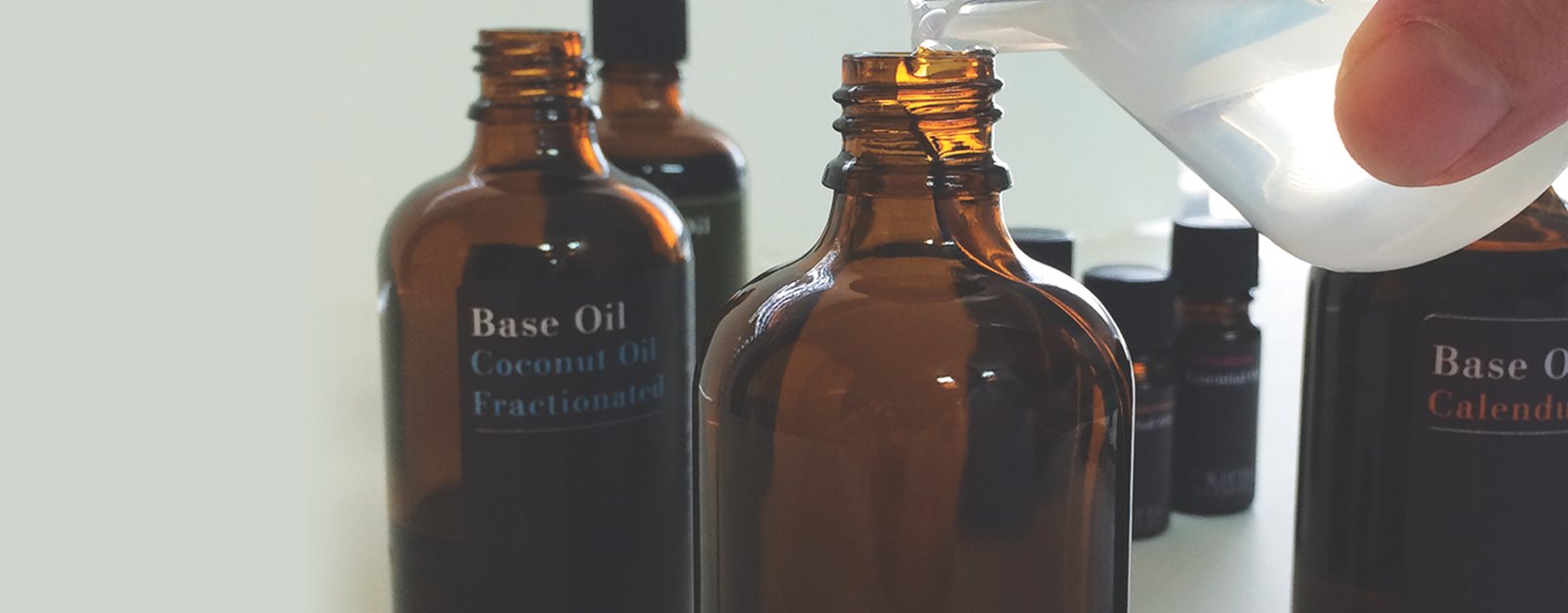
bottles-for-cleanser

Ingredients:

80mls coconut oil

10mls jojoba oil

10mls calendula oil

This mixture of oils forms the perfect addition to your routine, softening and moisturising your skin. Coconut oil is hydrating for the skin, it contains mild anti-bacterial properties and naturally clears dirt and dead skin cells that can clog pores and lead to blemishes. As well as soothing and softening the skin, calendula oil is a great anti-inflammatory, meaning it is fantastic for acne, ulcers, rashes and eczema amongst other skin issues. Jojoba oil is actually a liquid wax, known to be the ‘oil’ that most closely resembles sebum (which is produced by the skin naturally). This makes it fantastic for helping to regulate the production of sebum, thereby reducing the likelihood of oily skin.  As with the coconut and calendula oils, jojoba is also hydrating and moisturizing, making the three a perfect combination for clearing pores and freshening tired skin. Best used at night, this is a ‘one size fits all’ product. It is also virtually scentless, so those of you with a sensitive nose can still benefit! It also works as a great base for more specialised cleansers – if you suffer from acne or blemishes, try adding a drop of lavender (also great for relaxing before bed!), for oily skin add a drop of geranium for its skin balancing properties and for dry skin give a drop of frankincense a try. This product will fast become your go to, we promise!


Posted on — Leave a comment

Herb of the Week – Aloe Vera

With the sun making a welcome appearance this week we are sure to see plenty of sun burned skin – so our herb of the week must be Aloe vera.  This important medicinal plant has so many uses – in beauty preparations and medicinally.  Sun burnt skin can be treated with cooling aloe vera gel.  We keep a plant in the kitchen and use the sap directly from the leaves for all types of minor burns – especially those little cooking accidents.


Aloe can help in the relief of symptoms of dermatitis or psoriasis as well as eczema and skin irritations.  It contains a mix of properties including anti-inflammatory and antimicrobial agents as well as minerals and vitamins, which aid penetration of the skin and tissues and encourage healing.


A perennial, tender succulent, this plant should be grown indoors on a sunny windowsill.  It needs a well drained gritty soil and little water, allow to dry out completely between waterings.  It can grow up to 3 feet tall with clusters of long, fleshy leaves and tubular yellow flowers.  Aloe vera is really easy to grow and is a great plant if, like me, you are a bit slack with watering your houseplants!


The sap is also preserved and dried or liquified for use commercially in a wide range of products including toiletries.


We use aloe in our skin care range and our aloe gel can be used as a shaving gel or even used as a base to create a fabulous face mask, try adding avocado and oats.