Posted on — Leave a comment

Herbs for Health – Valeriana officinalis

There are many herbs that are useful in a medicinal capacity but perhaps none are so well known as valerian. Valeriana officinalis, of the Valerinaceae family, is also known as valerian, Baldrian, cat’s love, cat’s valerian, kesso root, St George’s herb and garden heliotrope. Its medicinal properties lie in its root, which can be dried for use in tea or capsules, or distilled into oils and ointments.

valerian.flower

Though it has a relatively wide range of uses, valerian root is most commonly used for sleep disorders – particularly insomnia. It acts as a sedative to the brain and nervous system, allowing for sleep to come easily. As a remedy for insomnia, valerian is often combined with hops or lemon balm, either in a tea, pill, in a sleep pillow or even added to bath water. Many people choose valerian as an alternative to prescription sleeping pills, such as Valium, as it is less likely to leave you feeling groggy the next morning. Its sedative properties also lead it to be used in combination with other herbs as a remedy for conditions such as anxiety and stress, as well as symptoms related to these conditions, such as hysteria, panic, excitability, fear, migraines, stomach upset, depression and mild tremors. It is thought to help with sciatica and multiple sclerosis, shingles and rheumatic pain, as well as being useful to stabilise blood pressure and regulate arrhythmias. Some people also prescribe this for epilepsy, attention deficit-hyperactivity disorder and chronic fatigue syndrome. Some women use valerian to help with pain from menstrual cramping and symptoms associated with menopause. It is not recommended as safe for use when pregnant or breast-feeding. The usual dose of valerian is 1 teaspoon in oil form, 1 – 2 cups of tea or 1 – 2 capsules, though as you are unlikely to overdose on valerian you can play around until you find what suits you.

Though it is commonly used as a remedy for insomnia, there are many things to think about before taking valerian – including whether medicine is the best optionyou’re your condition. More information can be found here. Valerian tends to be most effective when used regularly, with the best results seen after around 2 weeks. However, there has been no research into the effects of long-term use of valerian. There can be side effects to taking valerian root, including headaches, dizziness and (counter-intuitively) sleeplessness. Due to its nature as a sedative, there can be reactions with other drugs and if you are due to undergo surgery under anaesthesia it is recommended you stop taking valerian at least 2 weeks beforehand.

*This article is intended for interest only – use of herbs given are traditional and do not reflect the herbs efficacy. It is not intended, nor should be taken as medical advice. If you have a medical condition please consult a qualified health professional prior to using any herbal preparation. Although the facts have been checked carefully, we cannot guarantee the reliability of information provided. Essential oils should not be used on children or vulnerable adults (elderly, breast feeding or ill) or during pregnancy. Some essential oils and herbs can be toxic, whether taken internally or used on the skin – your health care professional will advise.
Posted on — Leave a comment

Bath Vinegar – Make your own Christmas presents

With Christmas drawing closer it’s time to start thinking about those all-important presents. If you’re anything like me, you’ll have noticed that unique gifts are getting harder to come by – so why not change things up this year and make some of your own? This is our tried and tested, easy recipe to make your very own bath vinegars. Unique, beautiful and great for balancing the ph of the skin, these are a failsafe present for the hard to please.

IMG_0465 

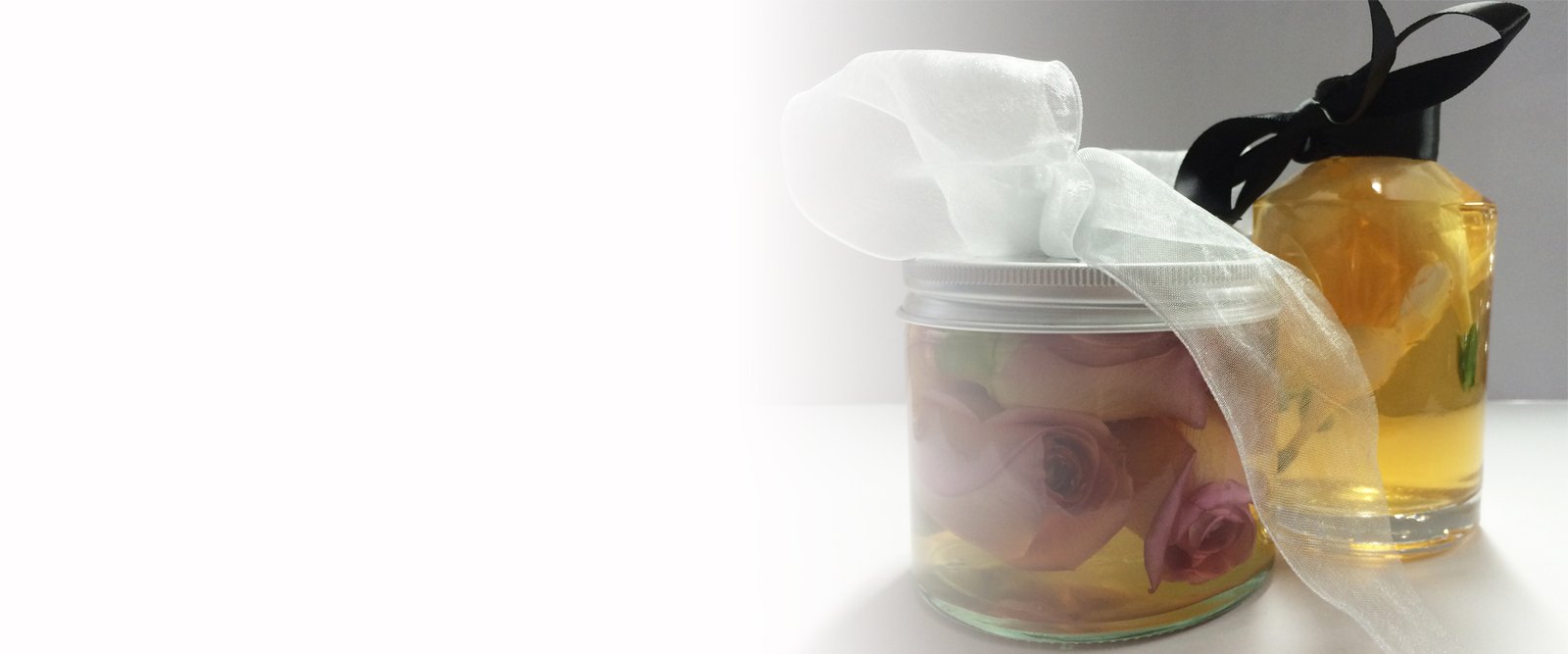
– Start by collecting your flowers. We made ours with beautiful pink roses, but you could also use pelargonium flowers, carnations or even lemon slices, depending on the scent you’d like to end up with.

IMG_0467IMG_0470  

– In a sterile bottle or jar, gently arrange your flowers. This is much easier to accomplish in a jar, though if you like the look of the sauce style bottle then be sure to take care when pushing the buds through the neck.

 IMG_0471

– Pour in enough cyder vinegar to cover the flowers, before adding a few drops of essential oil. Again we have used rose essential oil to complement the flowers. If you’ve gone for pelargonium then geranium oil works best here, freesia oil with freesias and of course lemon oil with lemon slices.

vinegar

– Cap and shake gently and you’re pretty much done! Leave the vinegar to infuse for one month to really get the best scent for your bath. Then just decorate the bottle by wrapping with ribbon or raffia, add a hand made tag and your handmade gift is ready to go!


Posted on — Leave a comment

Herb of the week – Calendula

Calendula Officinalis - English Marigold.
Calendula Officinalis – English Marigold.

Calendula officinalis is an annual, reasonably frost hardy plant with medicinal and culinary uses.  It likes well drained soil in a sunny position but will tolerate partial shade.  Growing to a height of approximately 50cms it has vivid orange blooms throughout the growing season, cut these back as the petals die to encourage new growth.  The seedheads of this plant are fabulous, reminiscent of little sea creatures.

The flowers of Calendula are edible and make a pretty addition to salads, they can also add colour to rice dishes and be used as a garnish for fruit.    Or boil them to create a pale dye.

Petals can be added directly to baths, or used to make into simple balms.  The easiest way to use would be to make an infused oil – take a handful of petals and place in a clean sealable jar (such as a kilner jar).  Cover with a neutral smelling oil, sunflower or grapeseed are best, and leave in a warm place.  Change the petals after a week and leave again.  Do this two or three times until the oil has an orange tinge, then strain through muslin and pour into an airtight container.  Store in a cool dry place and use within 6 months.

Calendula is good for dry skin, we use it to make our Heel and Corn Oil, and it is great for gardeners hands.

Some say Calendula makes for the best love potions!

In the language of flowers Calendula is a symbol of devotion and is used by some cultures to decorate wedding feasts and outfits.  Dreams of this plant are said to signify happiness in love or marriage.  Indeed love potions have been made from its flowers and leaves!


St Kitts Herbery products with Calendula:


Calendula Cream 30g, 120g, 500g

Calendula Oil 100ml

Heel and Corn Oil 100ml

Spiced Lime Shaving Oil 50ml