Posted on — Leave a comment

Make Your Own – Face Cleanser

Looking after your skin can be expensive and time consuming, but often the products we use are unnecessary.  We at St Kitts believe skin care should be simple, easy and uncomplicated – no need for special beads dug from an ancient burial sight somewhere far across the galaxy that guarantee to leave your skin feeling ‘just delightful!’ and your pocket decidedly empty. The staple of every skin care routine, as far as I’m concerned, is a great cleanser. This easy recipe for fantastic cleansing oil is both a versatile and cheap way of achieving glowing skin.

bottles-for-cleanser

Ingredients:

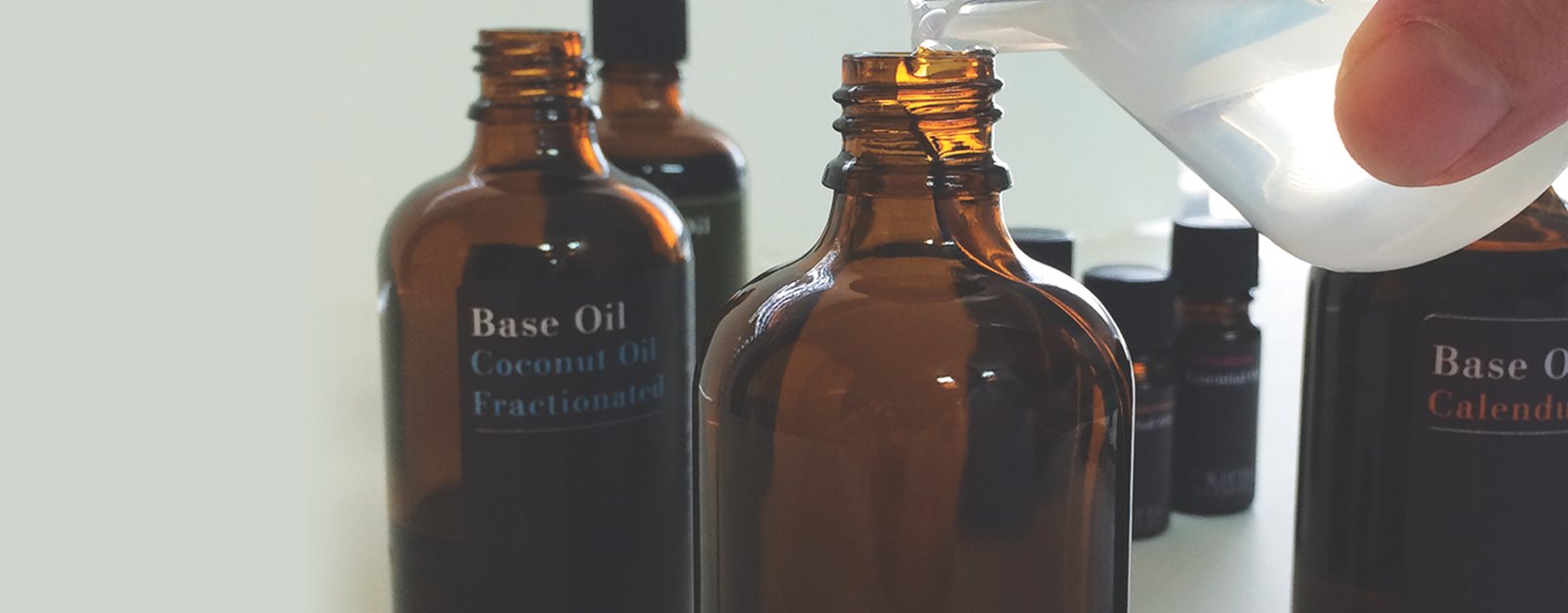
80mls coconut oil

10mls jojoba oil

10mls calendula oil

This mixture of oils forms the perfect addition to your routine, softening and moisturising your skin. Coconut oil is hydrating for the skin, it contains mild anti-bacterial properties and naturally clears dirt and dead skin cells that can clog pores and lead to blemishes. As well as soothing and softening the skin, calendula oil is a great anti-inflammatory, meaning it is fantastic for acne, ulcers, rashes and eczema amongst other skin issues. Jojoba oil is actually a liquid wax, known to be the ‘oil’ that most closely resembles sebum (which is produced by the skin naturally). This makes it fantastic for helping to regulate the production of sebum, thereby reducing the likelihood of oily skin.  As with the coconut and calendula oils, jojoba is also hydrating and moisturizing, making the three a perfect combination for clearing pores and freshening tired skin. Best used at night, this is a ‘one size fits all’ product. It is also virtually scentless, so those of you with a sensitive nose can still benefit! It also works as a great base for more specialised cleansers – if you suffer from acne or blemishes, try adding a drop of lavender (also great for relaxing before bed!), for oily skin add a drop of geranium for its skin balancing properties and for dry skin give a drop of frankincense a try. This product will fast become your go to, we promise!

 

Posted on — Leave a comment

Become a Taste Tester

Do you love chocolate? Are you adventurous, discerning, have a critical eye (constructively of course!) and can write interesting and readable reviews? If you’d like to be the first to sample our latest chocolate concoctions over the coming months, become a part of our new taste testing team! We’ll send you samples out for free, fresh from our kitchen, in exchange for an honest review before they hit the shelves. This is a great opportunity for any chocolate lovers out there to be involved in the whole process (and get tasty samples too!). To apply, just email us a review you’ve written for any kind of chocolate bar and we’ll let you know if you make the team!*

*This is not a paid or unpaid post and there is no contract of employment implied or intended.

Posted on — Leave a comment

Herb of the month – Fennel

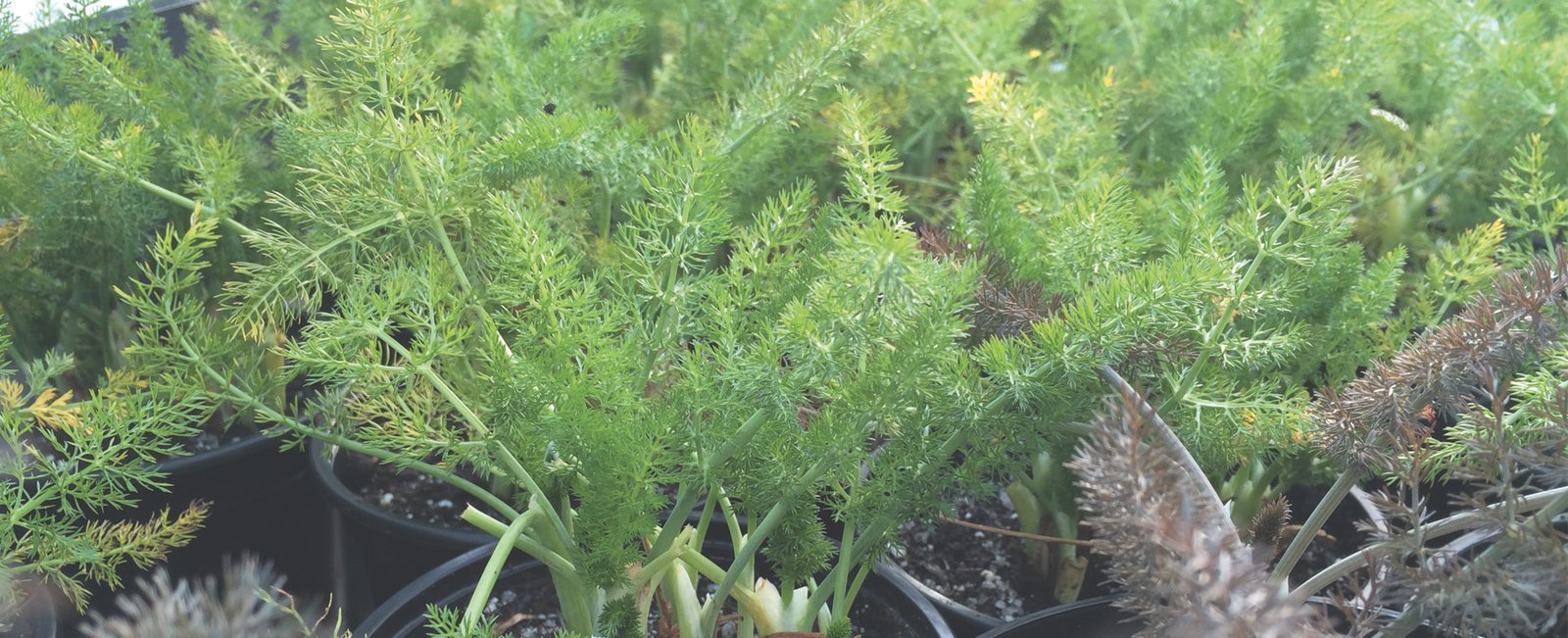
This edition of herb of the month was chosen based on what was still looking good in our very own herb garden – and fennel (Foeniculum vulgare) is the winner by far!  This multi-purpose perennial plant is best grown in loose, well-drained soil, with regular watering and full sunlight.  Although it is suitable for container gardening, it will really thrive in the ground.  The most likely problem to encounter when growing fennel is root rot, easily avoidable by ensuring you don’t overwater the plants and that they are in light soil. Although I have to say our fennel is outdoors and winters are very wet here and it does just fine.

Whilst fennel is best known for the aniseed taste of its seeds, its bulb (Florence Fennel – Foeniculum vulgare, var. azoricum) is a great vegetable to cook with, being very high in vitamin C.  Its fine leaves can be snipped and used for seasoning; the thicker stalks are also great as a snack with hummus (if you like that sort of thing). It can also be kept around just for its pleasant yellow flowers, or its ferny foliage used to stunning effect in flower arrangements.

Fennel is used as seasoning in a lot of Mediterranean cuisine, but can also be delicious combined in more unusual foods – fennel chocolate truffles are simply wonderful. It can also be used in salads, stews, risottos, or this gorgeous recipe for avocado, prawn and fennel cocktails.

The seeds of fennel are often made into oil to treat various ailments, including heartburn, bloating, colic, coughs, bronchitis and backache. It is even suggested to be a cure for bedwetting. Fennel powder can be used as a poultice for snakebites and some women use forms of fennel to help increase the flow of breast milk and ease the birthing process.

The latin for fennel is Foeniculum vulgare and historically, fennel is the symbol of flattery. Shakespeare used this symbolism most famously in ‘Hamlet’, where Ophelia slights the King by handing him fennel (or flattery). It is thought that this is due to the tendency of fennel to wilt very quickly after being picked.


Posted on — Leave a comment

Herbs for Health – Tea Tree

This week’s herb for health is inspired by our dreary winter weather. After turning up to work with my boots soaked through every day this week, my feet were in sore need of some tlc – so of course I turned to tea tree.

Tea tree oil, also called melaleuca oil, is distilled from the leaves of the Melaleuca alternifolia (tea tree) tree. It is well known both for its strong, camphor-like scent and its antifungal, antiseptic, antiviral and antibacterial properties. Previously used in dentistry and surgery to clean wounds, tea tree oil is still recommended as an antiseptic for use on fresh piercings as well as a treatment for fungal infections such as athletes foot. A study published in Tropical Medicine & International Health found that 80% of patients suffering from toenail onychomycosis (a fungal nail infection) were cured through the use of tea tree cream. The antibacterial properties of tea tree also make it suitable for use as an adjunctive treatment for wounds. One of the most common modern uses for tea tree oil is as a cure for acne. It is also suggested that tea tree oil has potential for treating dandruff, lice and gingivitis. In aromatherapy,

In aromatherapy, tea tree oil is used to alleviate symptoms of cold and flu, such as congestion and blocked nose. This is most likely due to the camphor-like smell and is used in steam inhalation to clear the nasal passages. Tea tree oil is also fantastic for reducing the itching of insect bites, sores and spots, as well as a natural treatment for warts.

Tea tree is also a natural insect repellent, can be used as a mould treatment when combined with baking soda and as a laundry freshener, amongst other surprising uses.

*This article is intended for interest only – use of herbs given are traditional and do not reflect the herbs efficacy. It is not intended, nor should be taken as medical advice. If you have a medical condition please consult a qualified health professional prior to using any herbal preparation. Although the facts have been checked carefully, we cannot guarantee the reliability of information provided. Essential oils should not be used on children or vulnerable adults (elderly, breast feeding or ill) or during pregnancy. Some essential oils and herbs can be toxic, whether taken internally or used on the skin – your health care professional will advise.

Posted on — Leave a comment

Recipe – Tikka Paste

January is over and February’s well on its way, but it still just isn’t quite spring. It’s this time of year that I find myself most in need of a pick me up, and I’m sure I’m not the only one. For me, diet is always a contributing factor to my mood, so my pick me ups come in the form of deliciously healthy meals. This week’s recipe comes after racking my brains (and rooting around the internet) for something to lift my mood and wake up my brain – something that I’ve discovered turmeric is great for! Also known as ‘Indian saffron’, turmeric is a staple spice in a lot of Indian cookery.  This easy recipe for a tikka paste not only contains this fantastic spice but is also extremely versatile.  It can be used for paneer or chicken skewers, as a standard curry paste, to spice up a soup or add some flavour to a rice salad.

Ingredients:

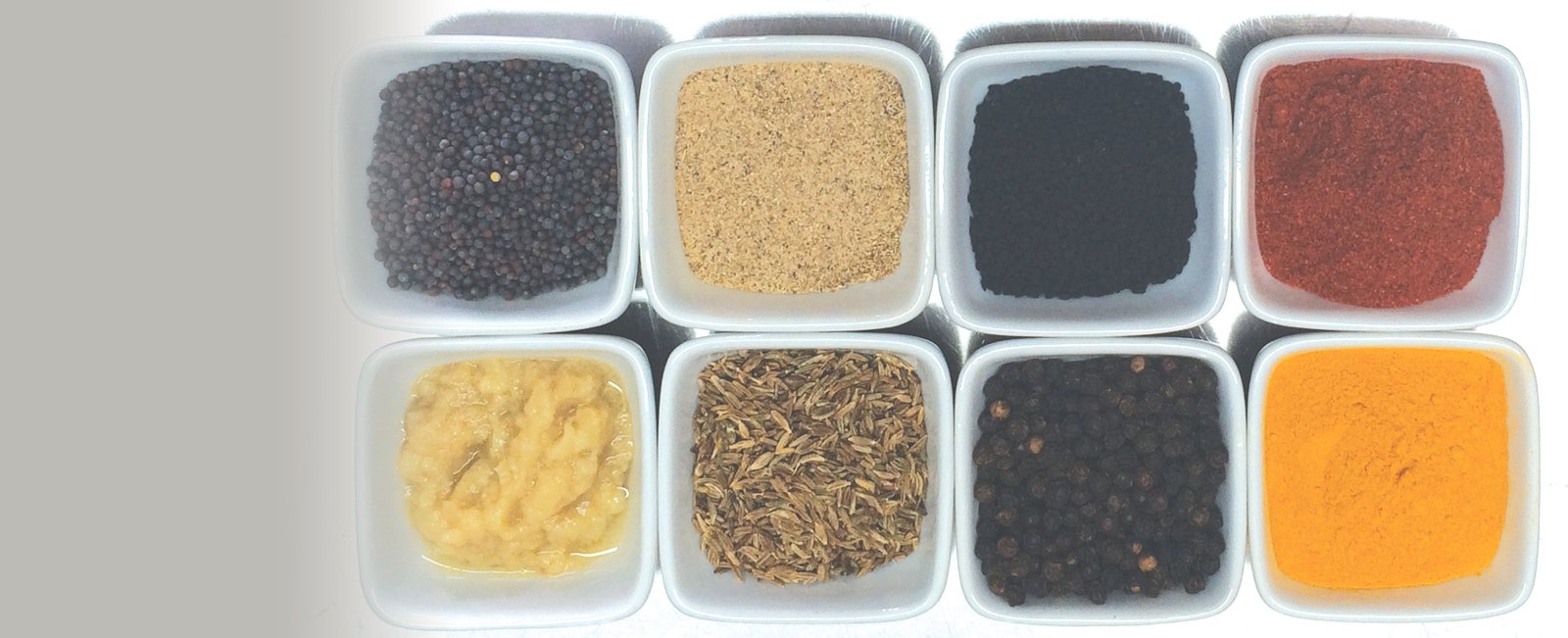
½ tsp ground turmeric

10 black peppercorns

6 cloves

1 tsp ground cardamom

1 tsp cumin seeds

1 tsp coriander seeds

½ tsp mustard seeds

½ tsp chilli powder

1 tbsp garlic paste/ minced garlic

1 tbsp ginger paste/ minced ginger

½ small onion

150g natural yoghurt

½ tbsp. tomato puree

1 tbsp gram flour

1 tbsp vegetable oil

Dry fry the peppercorns, cloves, cumin seeds, coriander seeds and poppy seeds in a frying pan, stirring constantly just until you start to smell the spices. Remove them quickly to avoid burning and grind straight away. This can be done in a Vitamix or other blender for ease, or with a pestle and mortar if you’re more traditional!  Once ground to a fine powder, add in the chilli powder, ground cardamom, ground turmeric, garlic paste, ginger paste and onion. Blitz in a blender until a paste begins to form.  Stir in the yoghurt, tomato puree, gram flour and oil, until well combined. That’s all there is to it!

To make paneer or chicken skewers, use the paste to marinate the paneer/chicken before grilling. For a curry, use in place of shop bought curry paste and add coconut cream for a richer meal. For soups, use a small amount in place of stock. Or experiment and come up with your own uses – let us know what masterpieces you create!

Posted on — Leave a comment

Make your own – Bath Salt

It’s that time of the year again and Valentines Day is fast approaching. Whether you’re looking to make a gift for that special someone or just want to relax and take your mind off the whole holiday, this bath salt recipe is guaranteed to hit the spot.

Ingredients:

½ cup baking powder

¼ cup Epsom salts

1 drop rose absolute oil (or try geranium but you will need a little more of this)

dried rose petals (optional)

bath-salt-2

Epsom salts are most easily found in your local chemist.  First mix together the baking powder and Epsom salts, ensuring they are completely combined.  Add the drop of oil and stir thoroughly – there should be no lumps or clumps and the salts should change colour to that of the oil.  This could take quite a while but not to worry; if you are using petals add them now, that’s all there is to it!  Sprinkle the salts into a hot bath and relax.  If you’re not a fan of the heavier, floral scents then replace the rose absolute oil with a few drops of the essential oil of your choice (note that other essential oils may not alter the colour of the salt and will still need thorough mixing).

Posted on — Leave a comment

Herb of the month – Oregano

January is a good time for sowing oregano seeds under cover or indoors. Perennial, frost hardy plants, they like full sun and well-drained, nutrient rich soil (though I find they grow well in any soil).   Easy to grow and maintain they make a lovely, fragrant addition to any garden.

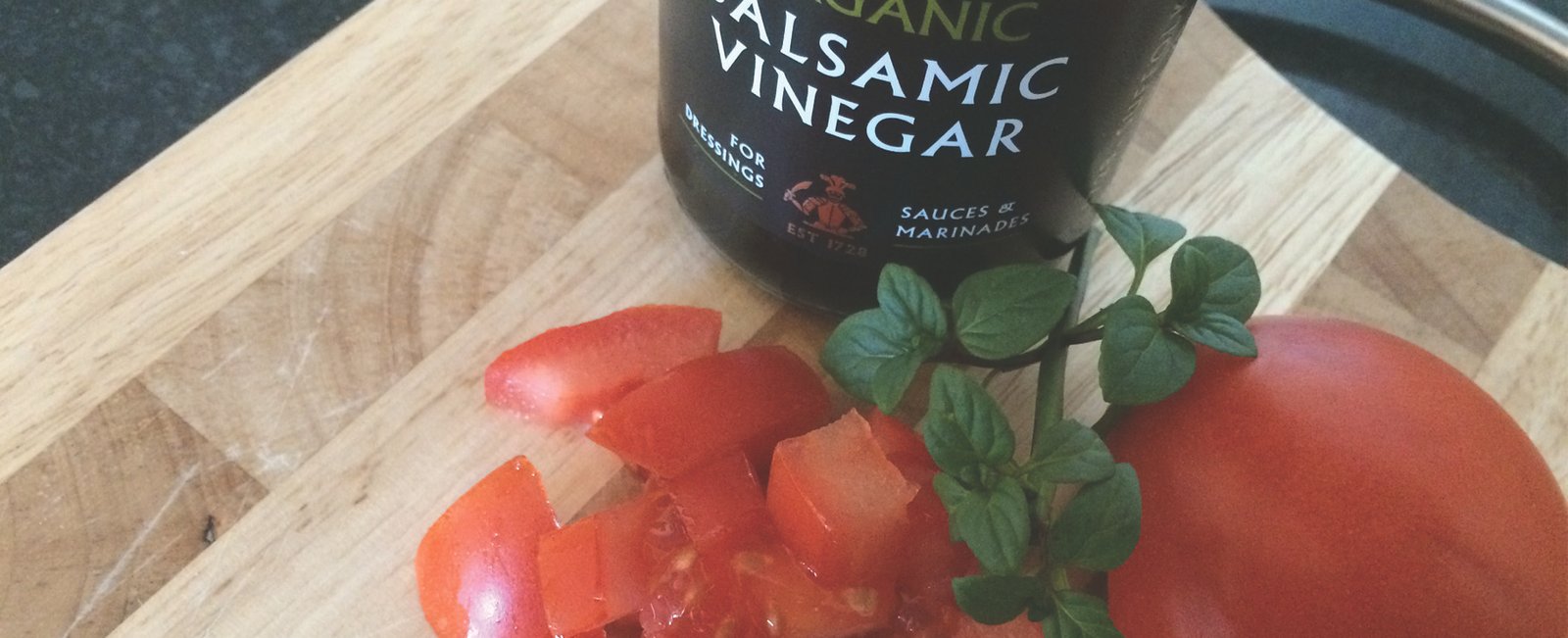
This fabulously under rated herb is great with tomatoes and is of course used to season pizza topping.   A brilliant culinary herb, we use it to season our tomato relish, but it is also found in many Mexican dishes and gives a distinctive flavour to enchiladas. In fact it is a very versatile culinary herb.  High in Omega 3 and anti-oxidants, oregano is antibacterial, anti parasitic, antiseptic and antiviral, as well as being insect repellent.

Medicinally the plant and essential oil have been used for a wide range of problems from dandruff and skin conditions to bronchitis and croup, it has even been used to treat warts.

Infuse for a relaxing bath or as hair conditioner, use in pot pourri and herbal pillows. Add essential oil to baths, ointments or compresses to relive pain and tension. Place few drops near pillow to promote sleep.

Said to have been created by the Greek goddess Venus it is a symbol of happiness. It is recorded as having been used to make crowns for healing and as being used as an oil massaged into the forehead and hair. In the language of flowers oregano is the herb of love and protection.

Posted on — Leave a comment

Herbs for Health Eucalyptus


HERBS FOR HEALTH – EUCALYPTUS     

eucalyptus-bottle

 We all know herbs can smell and look beautiful in your garden and be great for cooking, but what about herbs for health?*  Every month we’re going to be introducing you to a new herb and its traditional medicinal uses – starting with seasonally appropriate Eucalyptus.

This is a fast growing tree with beautiful bluey green leaves., it grows well in most soils and will reach a height of up to 30m. If you want to grow your own here is some good advice.

Eucalyptus essential oil is obtained from the globulus variety and is a common ingredient in medicinal inhalation preparations. Although taken in large doses the plant is toxic (it should not be taken orally, or put on the skin undiluted), its medicinal benefits are well documented, where it’s decongestant properties make it useful for cough, cold and chest preparations.. It is also widely used in dental preparations such as mouthwash and toothpaste, as it has a unique, fresh aroma. This aroma also has uses in the perfume industry. Eucalyptus can be used in oil burners to freshen the air with its lovely fresh fragrance

The leaves can be used to repel fleas and for pot pourri.

Cosmetically the plant can be used to make deodorant and is antiseptic.

*This article is intended for interest only – use of herbs given are traditional and do not reflect the herbs efficacy. It is not intended, nor should be taken as medical advice. If you have a medical condition please consult a qualified health professional prior to using any herbal preparation. Although the facts have been checked carefully, we cannot guarantee the reliability of information provided. Essential oils should not be used on children or vulnerable adults (elderly, breast feeding or ill) or during pregnancy. Some essential oils and herbs can be toxic, whether taken internally or used on the skin – your health care professional will advise.

Posted on — Leave a comment

Recipe – Gremolata

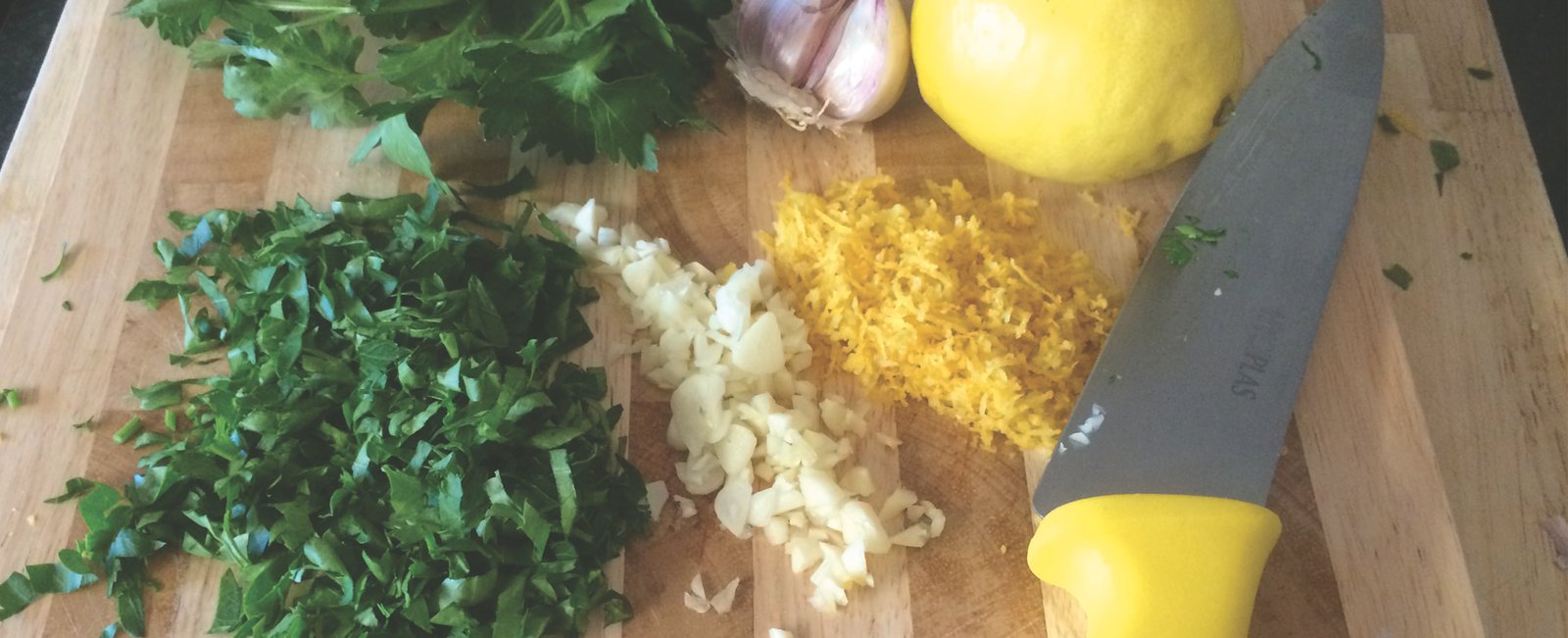
Herbs can be in short supply in the garden at this time of year: although there still seems to be plenty of parsley around. Gremolata is a great way to make use of this herb. This super easy, extremely versatile recipe will use up all that parsley hanging around, plus give you a garlic-y hit – always necessary over winter.

finish-gremolata

Gremolata

Ingredients:

2 cups (500mls) parsley

4 tbsp (60mls) finely grated lemon rind

2 tbsp (30mls) garlic

Chop the parsley and garlic until very fine, if you have a Vitamix this will do the job for you, then mix together with the finely grated lemon rind. This spread can be used in all sorts of ways too; freeze in an ice cube tray and then use to season stews and soups, mix with cream cheese for a delicious cracker spread, use as a garnish or mix with breadcrumbs for stuffing or coating. My personal favourite is mashing with butter, smearing on bread and then toasting in the oven for quick and delicious garlic bread. In a sealed container, kept in the fridge, this spread should last a while so you can have the chance to try it all sorts of ways!  In fact here is a great variation using walnuts.

Posted on — Leave a comment

Make Your Own Body Powder

So Christmas is over and we’ve said our ‘happy new year’s – but if your family is anything like mine, it’s already time to start thinking about birthdays. Gift giving is never harder than for January birthdays – after all, you’ve already used up all your ideas (and money) on Christmas! Not to worry, we’ve come up with some ideas so you don’t have to – and best of all, they won’t break the bank! This week’s favourite is this cheap and easy recipe for a luxurious scented powder.

powder in progress

Ingredients:

1 measure dried thyme

1 measure dried rosemary

1 measure ground cinnamon

1 measure orange peel

1 measure orris root powder or cornflour

half measure arrowroot powder

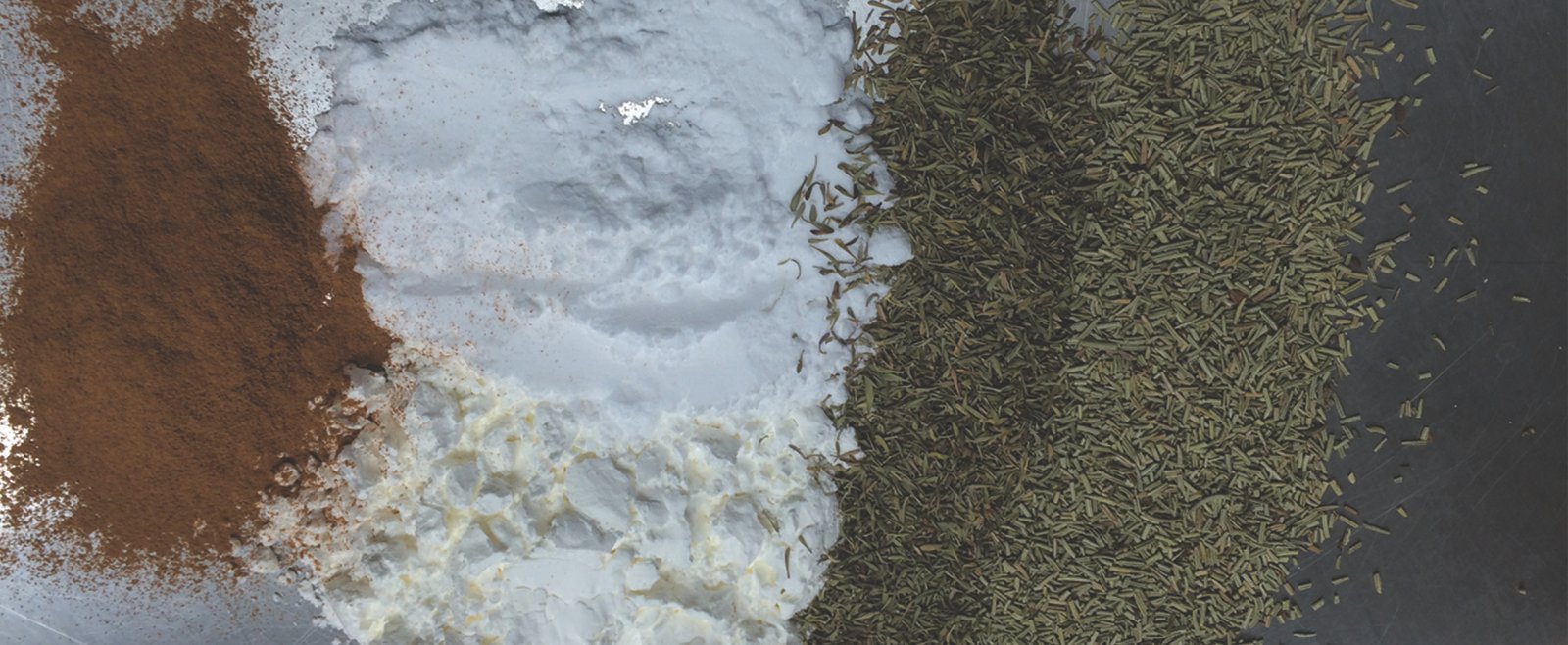
This recipe really works best if you’ve got a grinder – just stick it all in and whizz it ‘til it’s smooth! You can even make your own dried orange peel by putting your fresh peel in a hot oven until it’s dry and crinkly.

If you don’t have a grinder then not to worry, just use ground cinnamon, orris root powder and arrowroot powder for a simpler but no less delicious version.


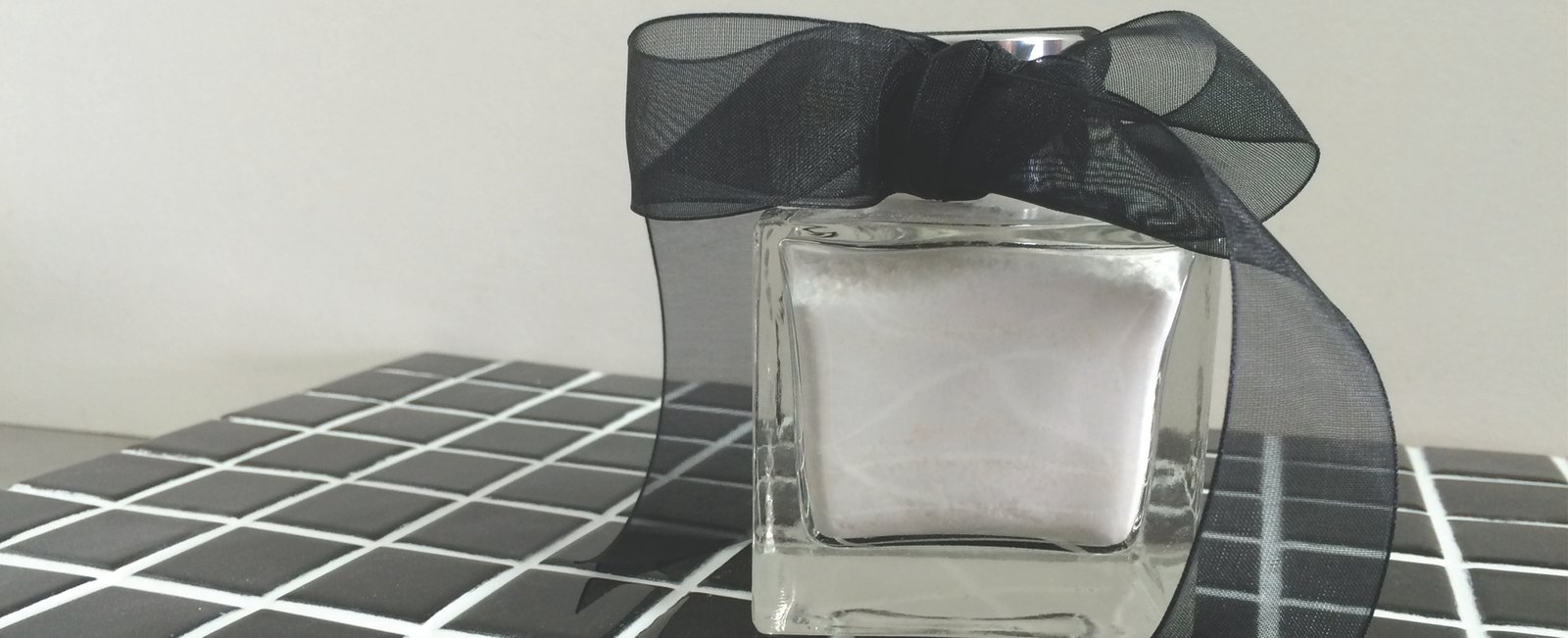
This is a fantastic product to use in place of talcum powder, or just to add a lovely scent to your skin. Let out your creative side when it comes to the packaging – it will look gorgeous in a recycled kilner jar, or even just bundled in some muslin with a pretty ribbon.

finished powder