Posted on — Leave a comment

Herb of the Week – Aloe Vera

With the sun making a welcome appearance this week we are sure to see plenty of sun burned skin – so our herb of the week must be Aloe vera.  This important medicinal plant has so many uses – in beauty preparations and medicinally.  Sun burnt skin can be treated with cooling aloe vera gel.  We keep a plant in the kitchen and use the sap directly from the leaves for all types of minor burns – especially those little cooking accidents.


Aloe can help in the relief of symptoms of dermatitis or psoriasis as well as eczema and skin irritations.  It contains a mix of properties including anti-inflammatory and antimicrobial agents as well as minerals and vitamins, which aid penetration of the skin and tissues and encourage healing.


A perennial, tender succulent, this plant should be grown indoors on a sunny windowsill.  It needs a well drained gritty soil and little water, allow to dry out completely between waterings.  It can grow up to 3 feet tall with clusters of long, fleshy leaves and tubular yellow flowers.  Aloe vera is really easy to grow and is a great plant if, like me, you are a bit slack with watering your houseplants!


The sap is also preserved and dried or liquified for use commercially in a wide range of products including toiletries.


We use aloe in our skin care range and our aloe gel can be used as a shaving gel or even used as a base to create a fabulous face mask, try adding avocado and oats.
Posted on — Leave a comment

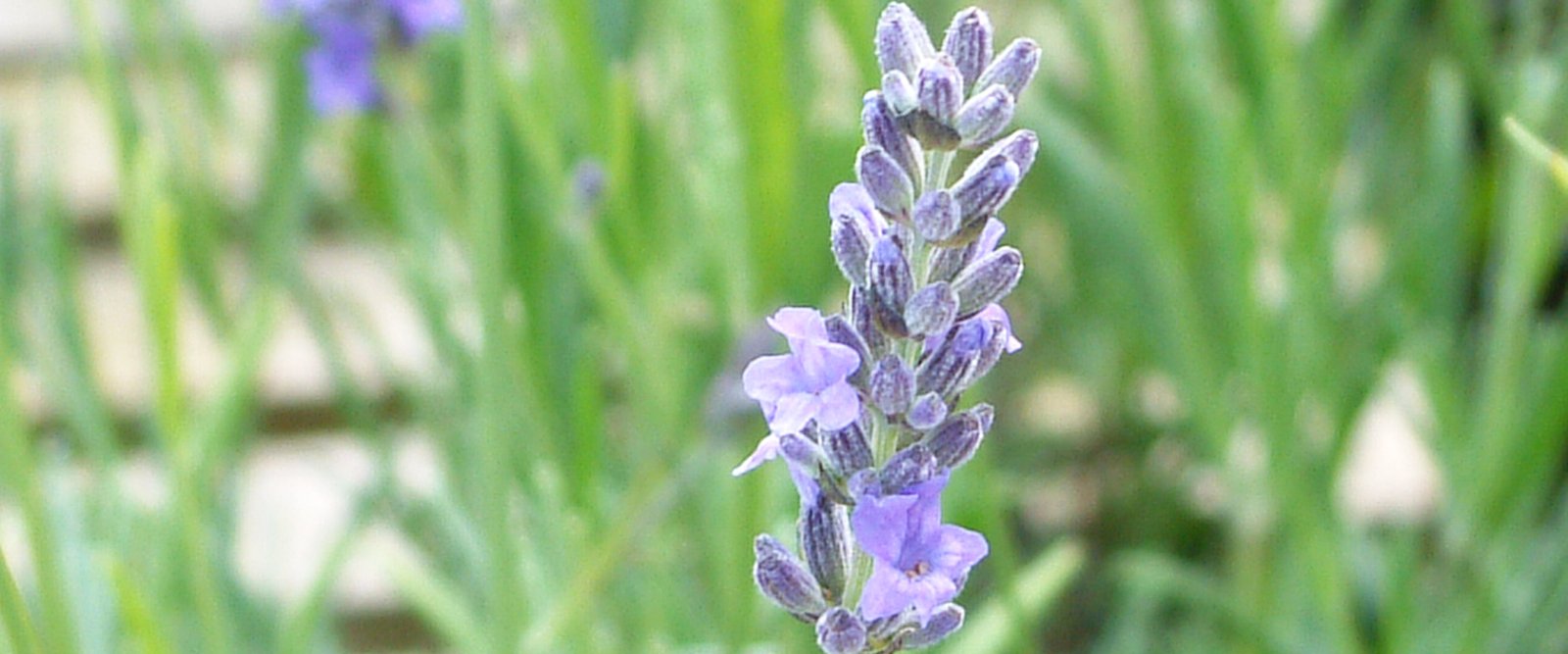
Herb of the Week – Lavandula

Lavandula is probably the most popular and useful of scented garden plants.  Growing to a height of 30cm to 1m Lavender prefers full sun and will thrive in most soils including dry and stony ones; persistently wet situations will cause the plant to die.  They are salt tolerant and make great plants for seaside gardens. Moderately frost hardy to frost hardy, this evergreen is easy to grow  and makes a great container plant.  In Tudor and Elizabethan times it was grown extensively in knot work gardens and even as lawns

Great for adding scent to the home – hang dried bunches around the house for their sweet smell, use dried flowers for lavender bags or pot pourri, or use the essential oil in oil burners or on a cotton wool ball.

Lavender is a calming herb; it aids sleep, can be used to treat minor burns, cuts and bites and makes a fabulous relaxing massage blend.  It can also help relieve muscular aches and pains.

For as long as records exist lavender has been used to create healing balms and potions and was used ritualistically in the embalming of mummies.  Folklore has stories of lavender for healing broken hearts; warding off the evil eye; mixing with other herbs to call upon fairies and spirits; for protection charms; and to attract love.

Once valued as a culinary herb it is making a comeback in the kitchen.  Use sparingly to flavour cakes, biscuits, ice cream or even chocolate.  Try this great recipe for lavender biscuits:

  • 150g butter softened
  • 150g sugar
  • 225g plain flour
  • tsp lavender flowers finely chopped

Put flour, sugar and lavender flowers into  a blender with the butter and blend until it forms a soft dough.   Shape dough into a log and put in fridge for 30 minutes.  Use a sharp knife to cut into thin rounds, place on a greased baking sheet and bake in oven (gas 5 or 190C) for about 15 minutes until golden.


Posted on — Leave a comment

Pip McCormac’s Violet Scones

Have you seen this fantastic new book from Pip McCormac?  We have and it is choc full of wonderful recipes. In fact, we loved it so much that, following a chat with Pip, we have the privilege of being able to share one of his recipes with you, so here are Pip’s Violet Scones!


Violet Scones with honeyed cream

50g butter, plus extra for greasing

225g self-raising flour, plus extra for dusting

25g sugar

150ml milk, plus extra for glazing

1 tsp vanilla extract

3 violet flowers, chopped, plus extra petals for serving

100g clotted cream

2 tbsp runny honey

VioletScones051

I’ve never been a fan of the soapy taste of parma violets, but if you use violet flowers sparingly and bake them they are far subtler – a clever floral note rather than an overpowering flavour. The honeyed cream is what provides the real sweetness here; it’s thick and indulgent and removes the need for jam or butter… although a dollop of lemon curd goes well if you have a really sweet tooth.

Preheat the oven to 225C/Gas mark 7 and line and grease a large baking tray. In a food processor, mix together the flour, butter and sugar until it resembles breadcrumbs. Pour in the milk and vanilla extract and beat into a stiff dough. Add the violet flowers and give a final few pulses of the processor to combine them into the mixture. Lightly dust your worktop with flour and place the dough in the middle, sprinkling a little flour over the top. Using a rolling pin, work the dough until it’s about 2cm thick. Take a 5cm round cutter and cut out discs, placing them onto the baking tray. Roll the leftover dough out again and cut out more rounds, repeating until all the dough is used up. Try not to roll the dough too many times as this will lead to tough scones. Brush the top of each with a dab of milk and place the tray in the oven for 12–15 minutes until golden. Transfer to a wire rack and leave to cool.

Just before you are about to eat the scones, place the cream in a small bowl and briefly fold in the honey – do not mix until combined, you want it to have a rippled effect – and top with a few violet petals. Cut open the scones, spread a bit of cream on top and serve.


This recipe is taken from The Herb and Flower Cookbook by Pip McCormac (Quadrille, £16.99)

9781849494168
Pip McCormac’s “The Herb & Flower Cookbook”

Photograph © Yuki Sugiura

Posted on — Leave a comment

Herb of the week – Rosmarinus officinalis

Rosemarinus officinalis is an evergreen, perennial plant that flowers in late spring.  It prefers full sun and will thrive in poor soil, it is great for seaside gardens as it is salt tolerant.   Originally the plant comes from the Mediterranean. However it has adapted to cooler climates and grows well in this country.

Widely used in cooking, place sprig of rosemary in the roasting pan for meats and potatoes.  Or try Nigella Lawson’s recipe for Rosemary Cake.

Rosemary has a rich history of useage; during the middle ages it was used as a strewing herb to sweeten and disinfect the home (http://en.wikipedia.org/wiki/Strewing_herb). Bunches can be hung around the house as a natural air freshener, or the leaves and flowers can be included in pot pourri.  It can also be usefully scattered on the barbecue to deter insects.

In bath products rosemary is invigorating, it adds it’s sharp scent to our signature Rosemary & Bergamot range of products where it mixes beautifully with the citrusy orange aroma of bergamot.

Historically the Ancient Greeks believed anointing the forehead with a tincture of rosemary would increase their memory.  Linked with Biblical tales it is said the plant will only grow as tall as Christ did.  It is also believed to be endowed with health giving powers. Sprigs of Rosemary have also been used as a protection against evil, being placed in baby’s cots, bridal bouquets and the hands of the dead.  Rosemary is the herb of remembrance, its use is said to improve memory, Greek scholars apparently wove it into their hair for this reason.

Posted on — Leave a comment

Herb of the week – Calendula

Calendula Officinalis - English Marigold.
Calendula Officinalis – English Marigold.

Calendula officinalis is an annual, reasonably frost hardy plant with medicinal and culinary uses.  It likes well drained soil in a sunny position but will tolerate partial shade.  Growing to a height of approximately 50cms it has vivid orange blooms throughout the growing season, cut these back as the petals die to encourage new growth.  The seedheads of this plant are fabulous, reminiscent of little sea creatures.

The flowers of Calendula are edible and make a pretty addition to salads, they can also add colour to rice dishes and be used as a garnish for fruit.    Or boil them to create a pale dye.

Petals can be added directly to baths, or used to make into simple balms.  The easiest way to use would be to make an infused oil – take a handful of petals and place in a clean sealable jar (such as a kilner jar).  Cover with a neutral smelling oil, sunflower or grapeseed are best, and leave in a warm place.  Change the petals after a week and leave again.  Do this two or three times until the oil has an orange tinge, then strain through muslin and pour into an airtight container.  Store in a cool dry place and use within 6 months.

Calendula is good for dry skin, we use it to make our Heel and Corn Oil, and it is great for gardeners hands.

Some say Calendula makes for the best love potions!

In the language of flowers Calendula is a symbol of devotion and is used by some cultures to decorate wedding feasts and outfits.  Dreams of this plant are said to signify happiness in love or marriage.  Indeed love potions have been made from its flowers and leaves!


St Kitts Herbery products with Calendula:


Calendula Cream 30g, 120g, 500g

Calendula Oil 100ml

Heel and Corn Oil 100ml

Spiced Lime Shaving Oil 50ml


Posted on — Leave a comment

Herb of the Week: Woad, Isatis tinctoria

This unassuming plant with pretty yellow flowers has a long and fasciating history!

A  member of the humble cabbage family (Brassicaceae), woad is celebrated for the blue dye extracted from its leaves. The earliest recorded example of woad dyed textiles dates to 2500BC, and woad has been traded, used in textiles and ceremonies ever since – one of the most well-known uses is that of a warpaint used by the ancient Britons.

Woad flowers

Trade in woad reached a peak in Britain in the middle ages – in the 15th century it was one of the most important imports into the country, which reflected the growth of the textile industry. Over the following centuries woad was rejected in favour of indigo, imported from India, which gave a much stronger blue colour.

Nowadays there’s renewed interest in this fascinting herb, due to its use as a biodegradeble ink and its possible cancer fighting properties.

All the plants featured in our ‘Herb of the Week’ series are available from St Kitts Herbery at the time of publishing. Please contact us to check availability at other times of the year.

Posted on — Leave a comment

Herb of the Week: Borage, Borago officinalis

This easy to grow herb is loved by humans and bees for its blue star shaped flowers, hence it’s other name ‘star flower’.

The flowers and leaves are edible and have a mild cucumber flavor. Try adding a few leaves to a salad- use young leaves though as the older ones tend to get tough and prickly.  The flowers also make a brilliant addition to drinks, especially a classic summer Pimms!

Image by Phil Sellens

Traditionally, borage makes a good poultice and was believed to induce happiness and good humour, perhaps that’s why a common botanical used in  gin!

Prized for its healing, soothing and moisturising properties, we use borage cream as the base for most of our creams, including our Rosemary & Bergamot Hand Cream.

Rosemary & Bergamot Hand Cream

It’s easy to grow and self seeds freely, meaning just one plant could keep you supplied with borage leaves and seeds for life.

All the plants featured in our ‘Herb of the Week’ section are available from St Kitts Herbery, Camelford at the time of publication. Please phone us to check availability at other times of the year.

Borage flower image by Phill Sellens.
Posted on — Leave a comment

Herb of the Week: Pulsatilla Vulgaris

This week’s herb of the week is particularly appropriate at this time of year- Pulsatilla, is also known as the Pasque flower or Easter flower

It’s one of the earliest flowers of spring and, like other anemones provides a welcome shot of colour after the long winter months. After the flowers have faded, the fluffy seed heads continue to provide interest.

Pulsatilla Vulgaris

Traditionally, this hardy perennial was used to make a dye used to colour eggs at Easter, and was also used to treat respiratory and digestive treatments.

All the plants featured in our ‘Herb of the Week’ section are available from St Kitts Herbery, Camelford at the time of publication. Please phone us to check availability at other times of the year.

Posted on — Leave a comment

Herb of the week: Tree spinach, Chenopodium Giganteum

Mist Perfume (Tester)

This easy to grow herb has the double benefits of being lovely to look at and delicious to eat!

The leaves of this quick growing annual have striking, magenta coloured stems and make an unusual ‘cut and come again’ crop.

Tree spinach imageThe tender, young leaves are great in salads, while the more mature leaves can be used as you would ‘ordinary’ spinach- we love them lightly steamed and finished with butter and a twist of pepper.

Best positioned at the back of a border or bed as it can reach up to 2m in height – tree spinach seeds freely too, giving you plants for years to come!

All the plants featured in our ‘Herb of the Week’ section are available from St Kitts Herbery, Camelford at the time of publication. Please phone us to check availability at other times of the year.

Posted on — Leave a comment

Chocolate Tuesdays at St Kitts Herbery!

Patchouli Hand & Body Wash/Shower Gel (Pack of 6)

Bring the kids and join us on Tuesday 8th & 15th April for our first Chocolate Tuesdays of the year!

This is your chance to get hands-on with some of our delicious Belgian chocolate in a short activity session for all ages* run by our Chocolatier.

Make and take away your own:

  • Decorated chocolate lollypop
  • Moulded solid chocolate shape
  • Chocolate Jazzie button

Sessions cost £4.50 per child and will run on the hour and half past the hour from 11am to 3pm. There’s no need to book in advance, just check in at the till when you arrive.

We’ll be sharing some of the chocolaty masterpieces on our Facebook page.

* young children must be supervised by an adult

Choc tuesday 2